
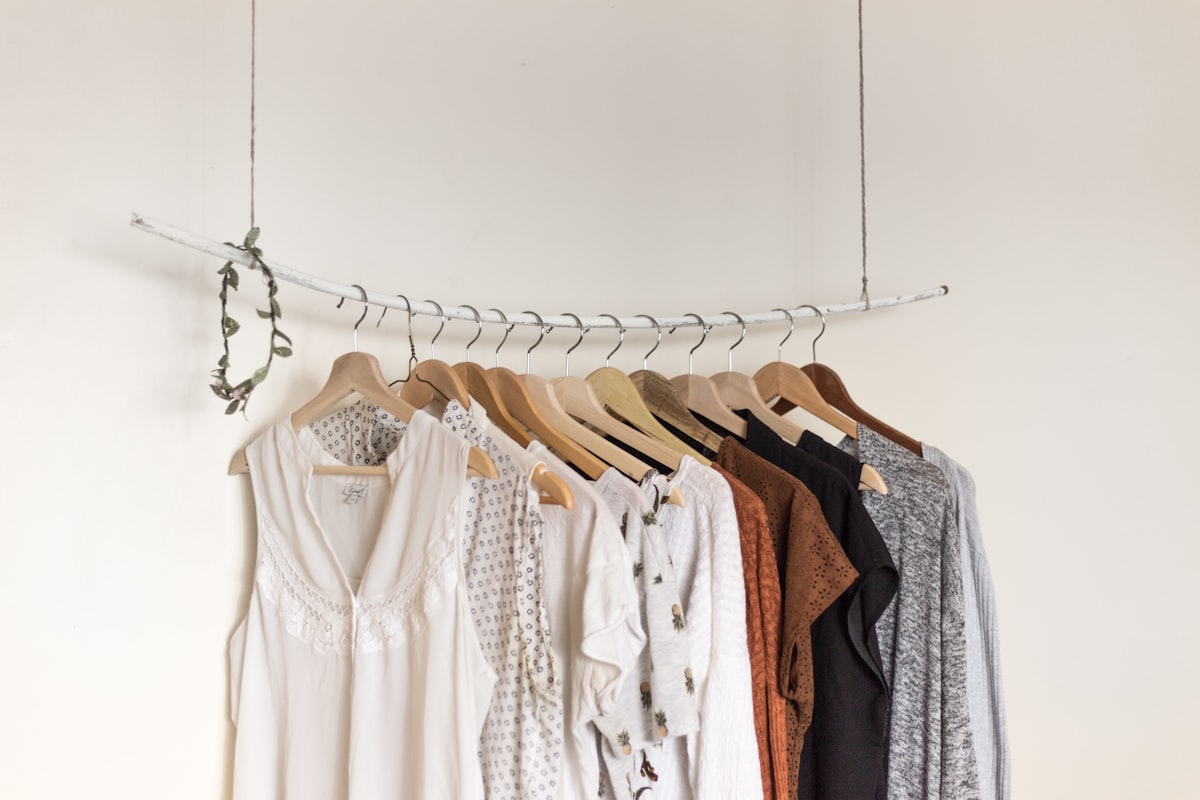


Affiliate Disclosure: As an Amazon Associate, I earn from qualifying purchases at no extra cost to you. This article contains affiliate links to products we independently recommend based on current luxury consumer trends and investment-worthy quality.
In the autumn of 2022, a television show about the ultra-wealthy Roy family dominated cultural conversations. But it wasn’t just the Shakespearean family drama that captivated viewers—it was the clothes. Specifically, the absence of visible logos, the impeccable tailoring, and the whisper-quiet confidence of characters draped in The Row, Loro Piana, and Brunello Cucinelli.
Fast forward to 2026, and what began as a niche aesthetic popularized by Succession has evolved into a seismic shift in consumer behavior. Google searches for “quiet luxury” surged 614% year-over-year following the show’s peak, and related terms like “stealth wealth” and “old money aesthetic” exploded by 990% and 874% respectively. But here’s what’s remarkable: this isn’t just a trend. It’s an economic realignment.
The luxury market, which stagnated in 2025 with flat growth globally, is experiencing a fundamental bifurcation. Consumers aren’t abandoning luxury—they’re redefining it. And this redefinition has profound implications for how we think about value, status, and the future of premium goods.
The Death of Logo-Mania: Understanding the Cultural Shift
For decades, luxury consumption followed a predictable pattern. Aspirational consumers bought into brands through their most logo-heavy offerings—the monogrammed bags, the branded belts, the conspicuous displays of wealth. This model worked brilliantly in emerging markets and among new luxury consumers who used these purchases to signal arrival.
But something changed. The post-pandemic era revealed a consumer exhausted by performative consumption. Economic uncertainty, coupled with growing awareness around sustainability and authenticity, created what analysts are calling an “intentionality crisis” in luxury spending. People began asking: What am I really buying?
In China, the world’s largest luxury market, high-net-worth individuals are increasingly favoring understated style over ostentatious logos. J.P. Morgan’s fieldwork shows this shift is particularly pronounced among sophisticated consumers and the wealthy, marking a decisive move toward what they term “quiet luxury.” The markers of status have become increasingly subtle—a perfectly tailored suit, an unlogoed Bottega Veneta bag, a heritage Vacheron Constantin watch.
This evolution mirrors global currents but is heightened by social sensitivities: in uncertain economic times, ostentatious consumption feels inappropriate. As one luxury analyst noted in a recent report, “In an era where privacy is the ultimate luxury for the truly wealthy, loud logos have become markers of insecurity rather than arrival.”
The Economics Behind the Shift: Why Quality Wins
The quiet luxury movement isn’t just about aesthetics—it’s fundamentally economic. And nowhere is this more evident than in the philosophy of “buy less, buy better” that now dominates high-end consumer behavior.
Consider the mathematics: A logo-heavy designer bag might cost $2,500 and fall out of fashion within two seasons. Meanwhile, a classic, unbranded piece from The Row or a premium cashmere sweater from Loro Piana at a similar price point can be worn for a decade or more without appearing dated. The cost-per-wear calculation shifts dramatically when you’re thinking in years rather than seasons.
This shift is reflected in consumer data. Bain & Company reports that consumers are increasingly choosing “experiential indulgence”—fine dining, wellness retreats, luxury travel—over traditional goods like cars or handbags. When they do buy physical goods, there’s a marked preference for items that make a statement about identity rather than merely signaling wealth.
Within the personal luxury market, jewelry leads with 4-6% annual growth, driven by emotional resonance and customizable designs. Why? Because these pieces carry meaning beyond their brand name. They’re heirlooms, investments, and personal totems—not billboard advertisements for a fashion house.
Canada Goose: The Quiet Luxury Case Study

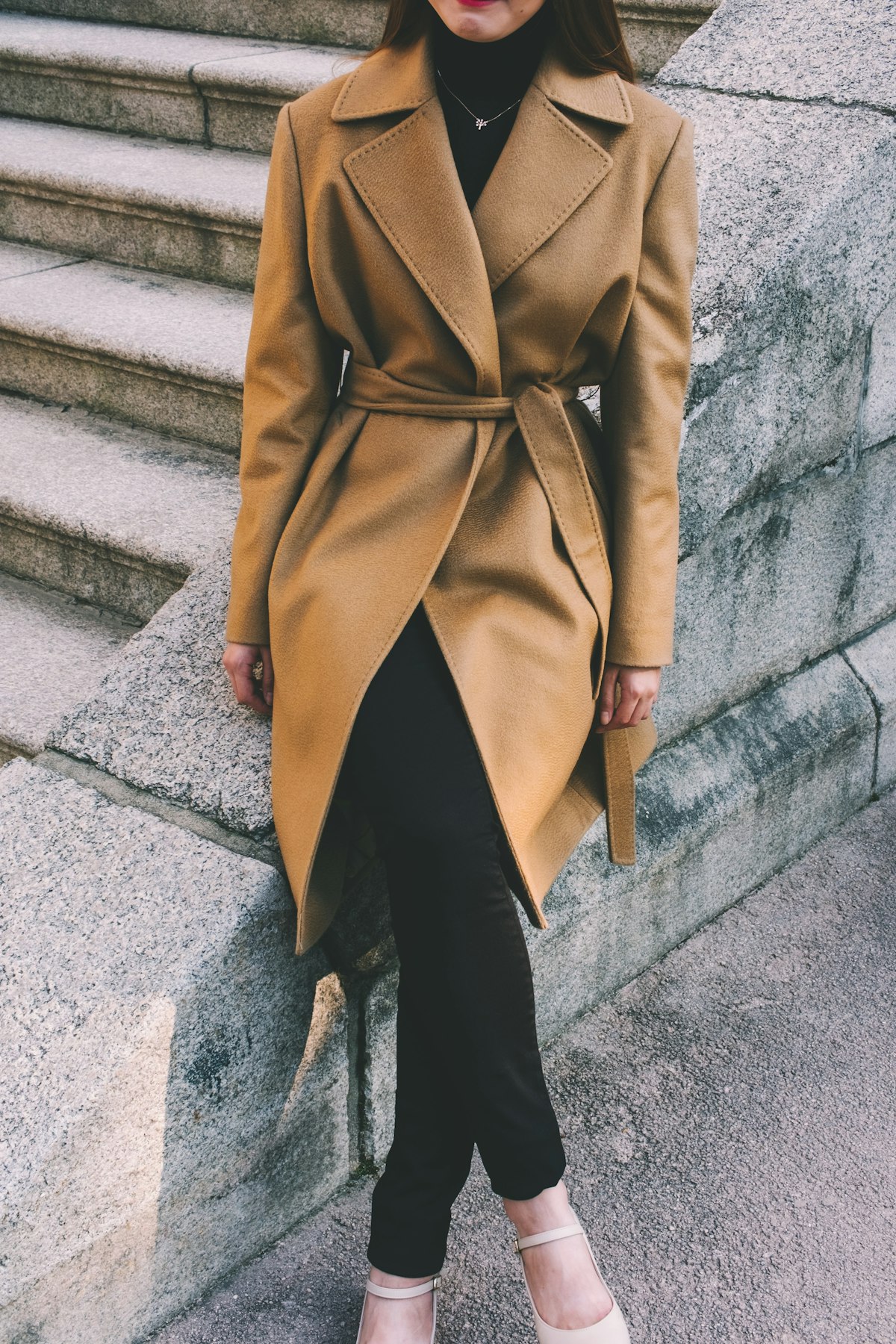
Perhaps no brand better illustrates the economics of quiet luxury than Canada Goose. Founded in 1957 in a small warehouse in Toronto, the company spent decades as a functional outerwear manufacturer for Arctic workers, Canadian Rangers, and film crews working in extreme conditions. Their jackets were tools, not fashion statements.
Then something remarkable happened. Without aggressive logo placement or celebrity endorsements, Canada Goose became a cultural phenomenon. Their success came from an uncompromising commitment to craftsmanship, domestic production, and genuine functionality—everything the quiet luxury movement celebrates.
Every Canada Goose jacket passes through 13 production stages and 13 different pairs of hands. Each piece is manufactured in Canada, ensuring rigorous quality control. They use 11 proprietary fabrics designed for extreme weather performance. The iconic Snow Mantra parka, weighing 7.5 pounds and made from 247 individual pieces, is field-tested at temperatures down to -70°C (-94°F). This isn’t marketing hyperbole—it’s the actual uniform of Canadian Arctic Rangers.
What’s instructive about Canada Goose’s rise is that it occurred because of their commitment to quality and function, not despite it. While other brands chased logo visibility and trend cycles, Canada Goose stuck to their founding principle: make the best possible product for the harshest conditions. The status followed naturally.


Premium Canadian-Made Winter Outerwear
When investing in quiet luxury outerwear, the calculus is simple: superior materials, domestic craftsmanship, and genuine functionality that lasts decades. Look for pieces with ethical down insulation, water-resistant technical fabrics, and the kind of construction quality that can withstand genuine Arctic conditions. These jackets aren’t fashion—they’re engineered solutions that happen to look exceptional. Much like investing in smart home infrastructure, premium outerwear represents a one-time investment that delivers value year after year.
View Premium Parkas on AmazonThe Building Blocks of a Quiet Luxury Wardrobe
Understanding quiet luxury economics means recognizing that certain categories of goods offer superior long-term value. These are the staples that form the foundation of an enduring wardrobe—pieces that transcend trends and maintain their relevance for years or decades.
The Cashmere Investment

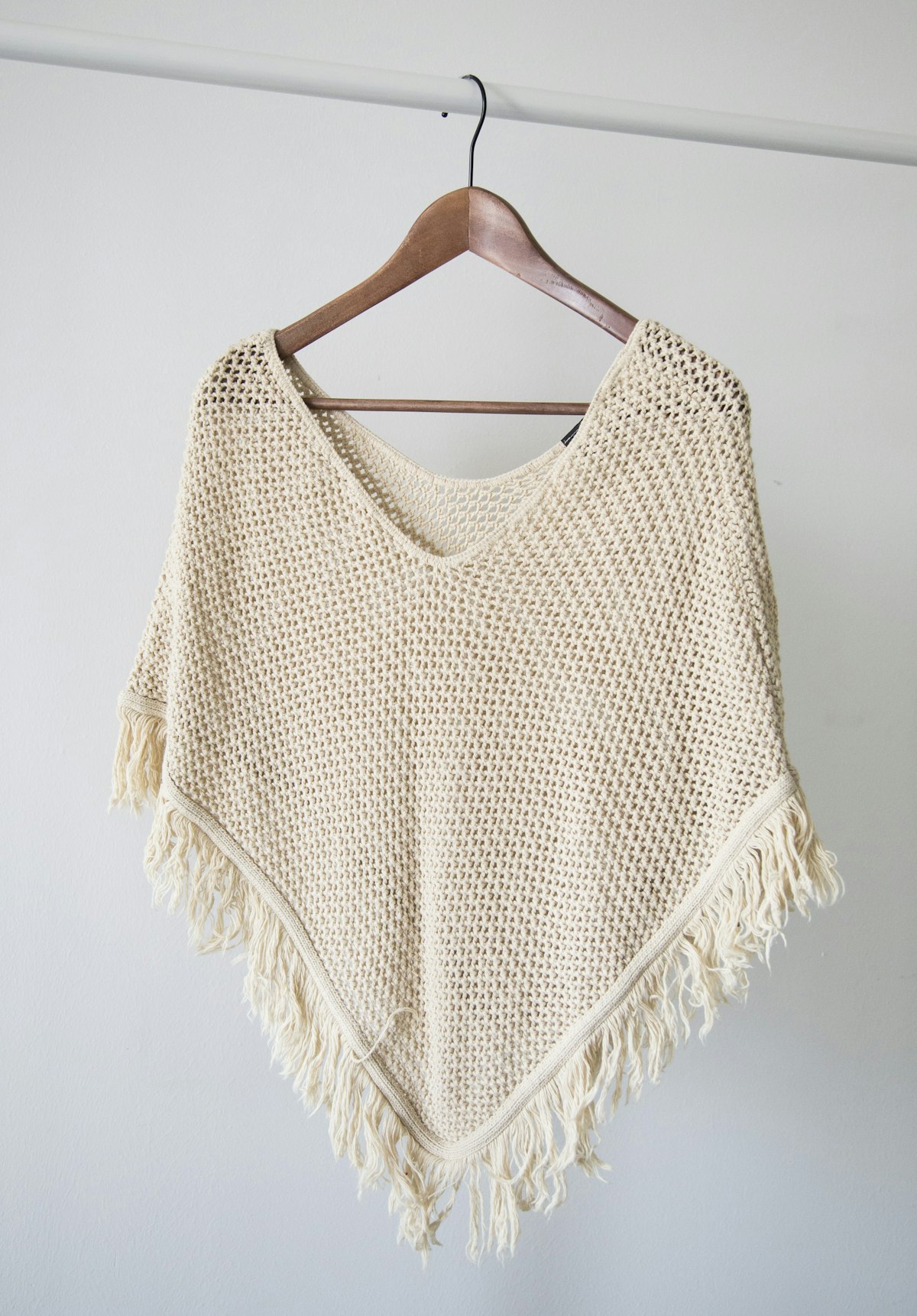
Few materials embody quiet luxury quite like exceptional cashmere. Google Trends data shows consistent seasonal demand for cashmere products, with autumn and winter searches spiking as consumers seek warmth without bulk. But not all cashmere is created equal.
The finest cashmere comes from the soft undercoat of Capra hircus goats, primarily from Mongolia and Inner Mongolia. The fiber is measured in microns—the lower the number, the softer and more luxurious the feel. Premium cashmere typically measures 14-16 microns in diameter, while lower-quality variants can be 19 microns or more.
What makes cashmere a smart quiet luxury investment? Durability and timelessness. A high-quality cashmere sweater, properly cared for, can last 10-15 years or more. The cost per wear drops dramatically when you’re amortizing $300-500 over a decade rather than replacing a $50 synthetic sweater every season. Plus, unlike trendy pieces with logos or distinctive patterns, a classic cashmere crewneck or V-neck never goes out of style.


100% Pure Cashmere Essential Sweaters
The foundation of any quiet luxury wardrobe is impeccable basics in superior materials. Premium cashmere represents everything the movement stands for: understated elegance, exceptional quality, and longevity. Look for pieces made from Grade A cashmere with a micron count under 16 for the softest hand feel. These sweaters pair effortlessly with everything from tailored trousers to denim, providing versatile elegance that never shouts. Similar to how we discussed thoughtful home renovation choices, investing in premium basics elevates your entire wardrobe.
Shop Premium Cashmere on AmazonThe Power of Superior Leather
In an era where fast fashion has flooded the market with bonded leather and synthetic materials, genuine, premium leather has become a quiet luxury differentiator. Full-grain leather—the highest quality—uses the entire thickness of the hide, retaining the natural grain and imperfections that make each piece unique.
What sets quiet luxury leather goods apart isn’t a prominent logo but rather the quality of the hide, the precision of the stitching, and the understated hardware. Brands like Bottega Veneta have built their entire reputation on this principle. Their intrecciato weave—a technique of weaving leather strips together—is instantly recognizable to those in the know, but appears subtly refined to everyone else.
The economic argument for premium leather is compelling. A well-made leather bag, belt, or pair of shoes develops a patina over time, actually improving with age rather than deteriorating. Compare this to synthetic materials that crack, peel, and require replacement. The upfront cost is higher, but the total cost of ownership over 10-20 years is often lower.


Full-Grain Leather Accessories
Quality leather goods are the epitome of buy-it-for-life philosophy. Full-grain leather belts, bags, and small leather goods develop character over time, becoming more beautiful with age. Look for vegetable-tanned leather with minimal hardware and classic silhouettes. These pieces work across decades, not seasons. The investment parallels what we see in durable urban infrastructure—quality materials that age gracefully and maintain value over extended timeframes.
Explore Premium Leather Goods on AmazonThe Textile Revolution: Why Fabric Matters More Than Ever
One of the most significant aspects of the quiet luxury movement is an increased consumer sophistication about textiles. Where previous generations might have been satisfied with “looks expensive,” today’s consumers want to understand what they’re buying at a molecular level.
Take merino wool, for example. This fiber has seen explosive growth in the athletic and lifestyle segments because it offers genuine functional advantages: it regulates temperature, resists odor, and provides comfort across a wide range of conditions. Unlike synthetic performance fabrics that can feel clammy or uncomfortable, merino wool works with your body’s natural thermoregulation.
The economic logic here is straightforward. A $150 merino wool base layer can be worn more frequently, washed less often (due to its natural anti-microbial properties), and maintained for longer than a $30 synthetic alternative. The cost per wear calculation, again, favors quality.


Premium Merino Wool Essentials
Merino wool represents the intersection of natural performance and refined simplicity. These base layers and t-shirts regulate temperature naturally, resist odor, and provide comfort across seasons. The fiber’s natural crimp gives it elasticity and resilience, meaning pieces hold their shape year after year. Unlike cotton or synthetics, merino improves with wear, softening while maintaining its structural integrity. This is the kind of functional luxury that defines the quiet aesthetic—pieces that perform exceptionally while looking refined.
Shop Merino Wool Essentials on AmazonThe Watch Paradox: Where Craftsmanship Commands Premium
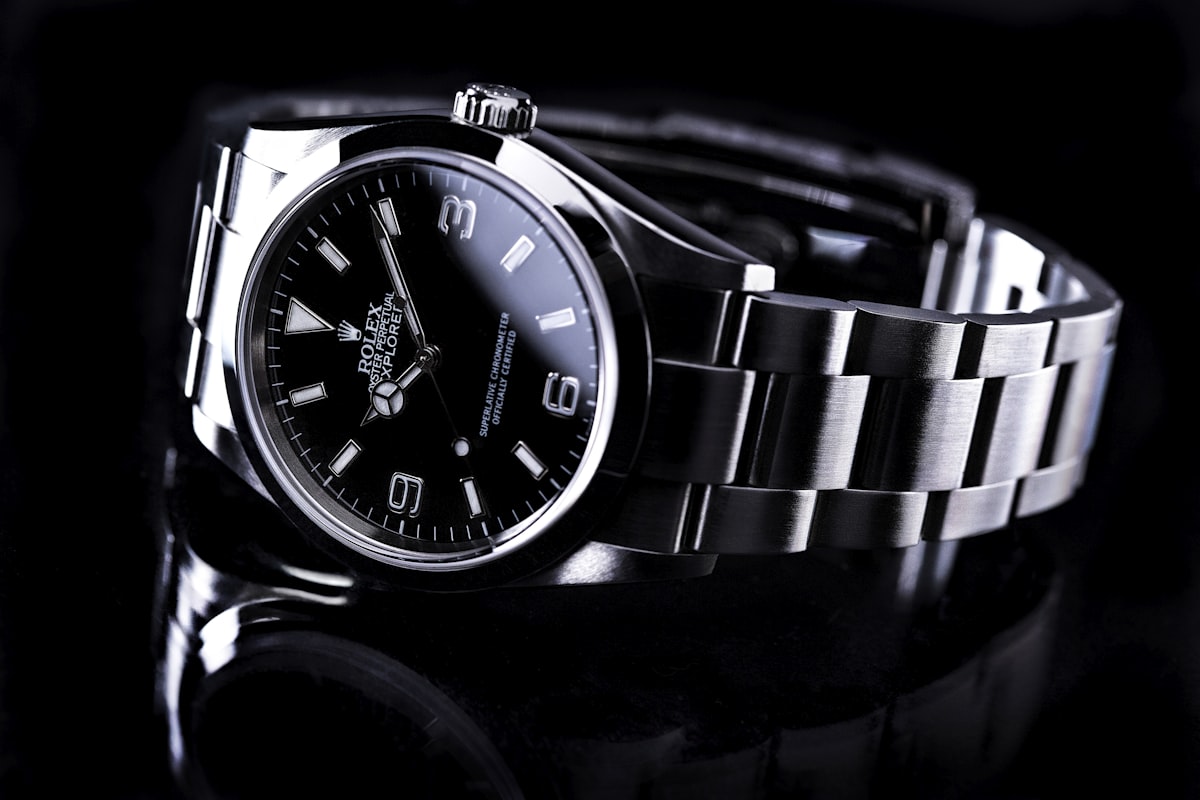
Interestingly, watches represent one luxury category where consumers have remained remarkably resistant to price sensitivity. In a 2025 survey of U.S. luxury consumers, fewer than one in ten reported declining value for money in luxury watches—a stark contrast to other categories where one-third felt they were getting less value.
Why? Because watches embody everything quiet luxury stands for. A fine mechanical watch is the convergence of centuries-old craft traditions, microscopic precision engineering, and genuine functional complexity. Unlike a handbag where the construction might be excellent but the primary function (carrying things) is relatively simple, a quality automatic watch contains hundreds of hand-finished components working in harmony.
Moreover, watches have maintained their status as heirlooms. A quality timepiece can be serviced, maintained, and passed down through generations. The watch your grandfather bought in 1960 can be worn today without appearing dated—indeed, vintage watches often command premiums over their original retail prices. This kind of transgenerational value creation is the ultimate expression of quiet luxury economics.


Classic Automatic Timepieces
A quality automatic watch represents mechanical artistry at its finest. Look for pieces with in-house movements, sapphire crystal, and understated case designs that transcend trends. These watches aren’t accessories—they’re functioning mechanical marvels you wind through the motion of your wrist. The absence of batteries, the visible movement through a display caseback, and the satisfying sweep of the seconds hand all contribute to an appreciation of genuine craftsmanship. Much like timeless home design choices, classic watches never go out of style.
Discover Automatic Watches on AmazonThe Sustainability Premium: Why Repair Matters
One of the most overlooked aspects of quiet luxury economics is the value of repairability. In 2023, Canada Goose launched “Generations,” their official recommerce platform for trade-ins and pre-loved products. This isn’t just green marketing—it’s a recognition that their products have genuine residual value.
The brand has operated a warranty and repair program for nearly as long as they’ve been making jackets. Why? Because when you spend $1,000+ on a jacket, you expect it to be fixable. A broken zipper shouldn’t mean discarding the entire garment. This stands in stark contrast to fast fashion’s disposable model.
Luxury brands are increasingly building repair, refurbishment, and resale into their business models because it strengthens rather than undermines their value proposition. When a brand offers robust repair services, they’re essentially guaranteeing the long-term utility of their product.


Premium Leather Care Systems
Investing in quality goods means investing in their maintenance. Professional-grade leather care products extend the life of your investments significantly. Quality conditioners, cleaners, and protectants keep leather supple and resilient, preventing the cracking and drying that plague neglected pieces. This preventative maintenance represents the quiet luxury mindset perfectly—taking care of what you have rather than constantly replacing. It’s the same philosophy we apply to thoughtful, long-term home investments rather than chasing every design fad.
Shop Leather Care Products on AmazonThe Quiet Luxury Toolkit: Essential Investments
As we move deeper into 2026, the quiet luxury aesthetic has evolved from trend to enduring principle. For those looking to build a wardrobe aligned with these values, certain categories represent particularly smart investments.
The Capsule Approach
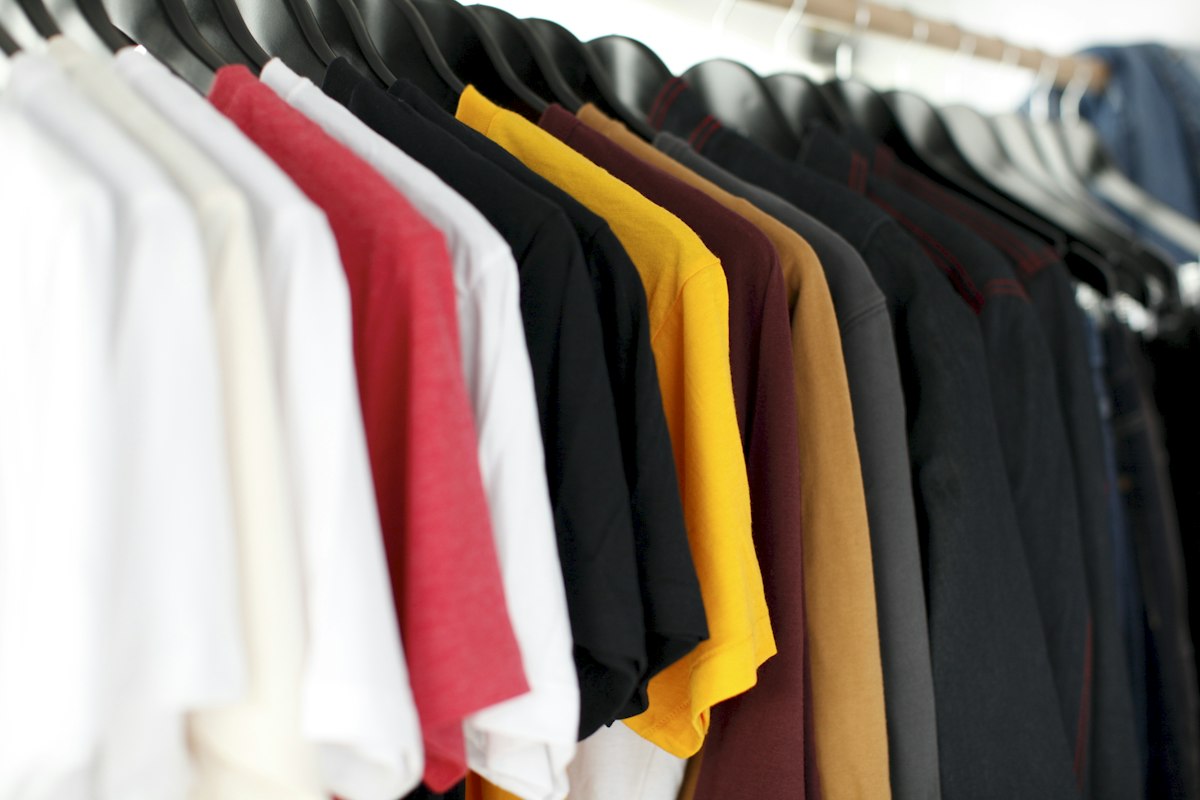
Quiet luxury is inherently compatible with the capsule wardrobe philosophy. By investing in fewer, higher-quality pieces that work together seamlessly, you create a wardrobe that’s both easier to manage and more versatile. The key is selecting items in a cohesive color palette (typically neutrals with carefully chosen accent colors) and ensuring each piece can be styled multiple ways.

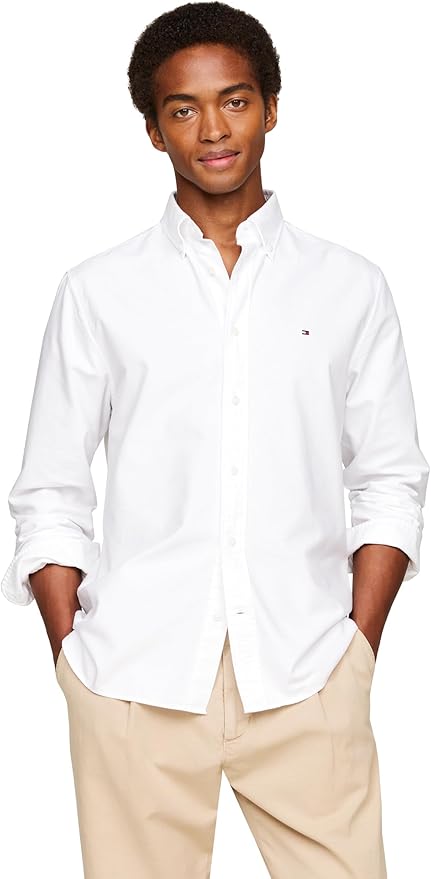
Premium Cotton Oxford Shirts
The foundation of any refined wardrobe is exceptional basics executed perfectly. Premium oxford cloth button-downs in crisp white or subtle colors represent quiet luxury at its most essential. Look for pieces made from long-staple cotton (Egyptian or Pima), with reinforced collars, genuine mother-of-pearl buttons, and precise stitching. These shirts should fit impeccably off the rack or be worth tailoring. They pair with everything from tailored trousers to denim, making them some of the hardest-working pieces in your wardrobe.
Explore Premium Oxford Shirts on AmazonThe Quality Footwear Investment
If there’s one category where quality dramatically outperforms price-point alternatives, it’s footwear. The difference between a $100 pair of shoes and a $400 pair isn’t just materials—it’s construction method, comfort, and longevity.
Goodyear welted shoes, for example, use a construction technique developed in the 1870s where the upper is attached to the sole via a welt rather than glued. This means the sole can be replaced multiple times over the shoe’s life. A well-maintained pair of Goodyear welted shoes can last decades with periodic resoling, making the cost per wear remarkably low. This also runs true for Johnston and Murphy Cap-Toed Oxford leather shoes, as pictured. As a well-established shoe brand, they have earned the reputation of making quality products.


Premium Leather Dress Shoes
Quality footwear represents one of the clearest examples of long-term value in luxury goods. Look for shoes with Goodyear welt construction, full-grain leather uppers, and leather or combination rubber-leather soles that can be resoled. Classic styles like cap-toe oxfords, whole-cut dress shoes, or refined loafers transcend trends. With proper care—regular polishing, cedar shoe trees, and periodic resoling—these shoes can literally last for decades. The initial investment seems significant, but when amortized over 15-20 years of wear, they cost less than replacing cheaper alternatives every few years.
Find Premium Dress Shoes on AmazonConclusion: The Future Is Quiet
The shift from loud logos to quiet quality isn’t a temporary trend—it’s a fundamental realignment of how consumers think about luxury and value. As we move through 2026, the data points all in the same direction: consumers want authenticity over aspiration, longevity over logos, and craftsmanship over hype.
This has profound implications for how we should think about building a wardrobe, furnishing a home, or making any significant purchase. The questions worth asking are: Will this last? Is it genuinely well-made? Does it improve my life in a meaningful way? Will I still be happy I bought this in five years? Ten years?
The economic logic is increasingly clear. While quiet luxury pieces carry higher upfront costs, their total cost of ownership over extended periods is often lower than cheap alternatives that need constant replacement. Factor in the reduced environmental impact, the psychological satisfaction of owning fewer, better things, and the simple pleasure of using well-made items, and the case becomes compelling.
Brands like Canada Goose demonstrate that you can build a successful luxury business around genuine functionality and quality without relying on logo visibility or aspirational marketing. Their growth—from functional outerwear manufacturer to global luxury brand—came from doing one thing exceptionally well and allowing quality to speak for itself.
As consumers become more sophisticated and values-driven in their purchasing decisions, this model will only become more powerful. The future of luxury isn’t about who can make the loudest statement or the most recognizable logo. It’s about who can deliver the highest quality, the most enduring design, and the best value over the life of the product.
In a world of increasing noise and decreasing attention spans, quiet luxury offers something rare: the confidence to whisper when everyone else is shouting. And increasingly, consumers are leaning in to listen.
Looking to build your own quiet luxury wardrobe? Start with the essentials: invest in one exceptional coat, a few perfect basics in premium materials, and quality footwear that can be resoled. Build slowly, buy intentionally, and focus on pieces that will serve you for years rather than seasons. The initial investment is higher, but the long-term value—both financial and psychological—is undeniable.


Leave a ReplyCancel reply