
Table of Contents
- Introduction: The Cost of Charm
- 1. Seal the Envelope: Advanced Insulation and Air Sealing
- 2. Upgrade to High-Efficiency HVAC & Climate Automations
- 3. Smart Water Management & Efficient Heating
- 4. Intelligent Electrical: Monitors, Sensors, and Smart Lighting
- 5. High-Performance Windows and Automated Shades
- Conclusion: Balancing Heritage and Efficiency
If you want to know how to retrofit an aged home to save on utilities, the direct answer is to prioritize thermal air sealing, upgrade your heating and cooling to a high-efficiency system, install whole-home power monitors alongside smart thermostats, adapt low-flow plumbing fixtures, and fully automate your lighting and window shades. By addressing these five core areas, older properties can achieve modern energy standards without sacrificing their historical aesthetic.
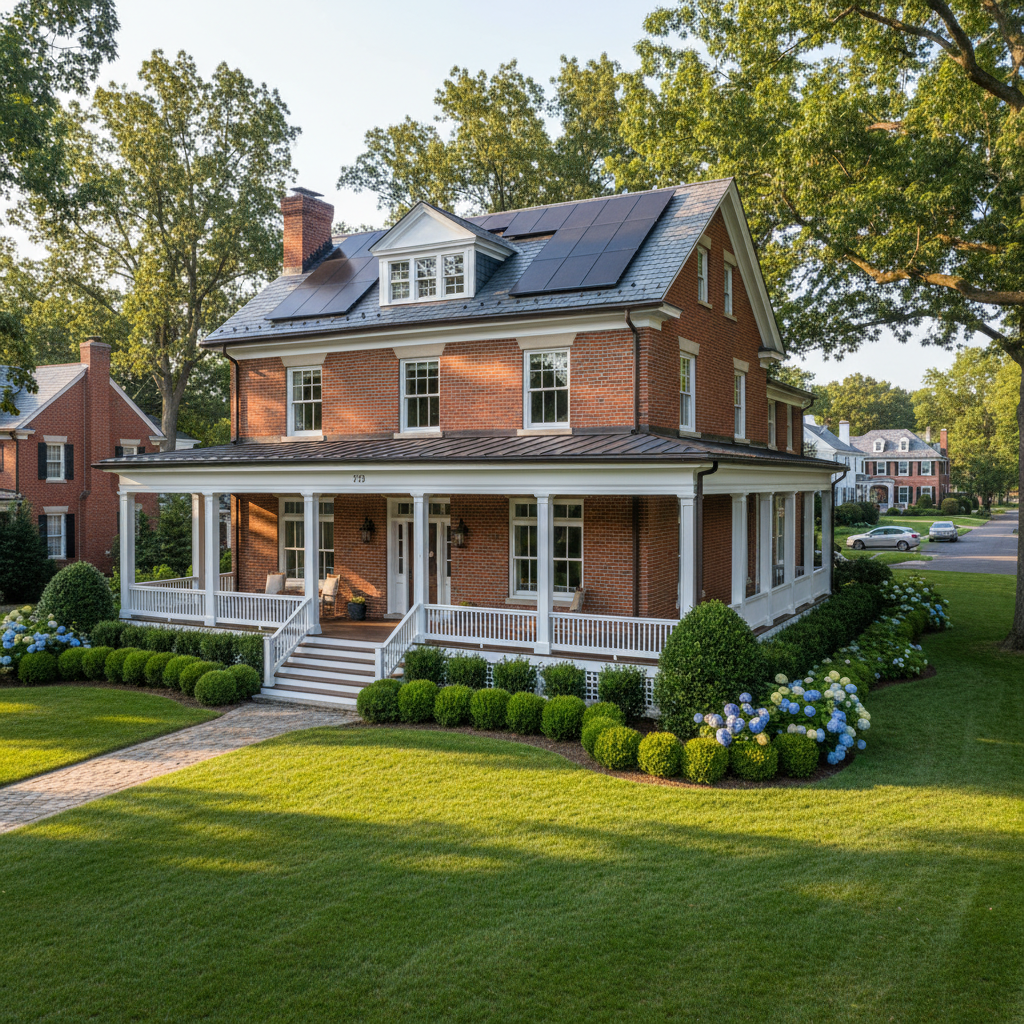
There is an undeniable allure to purchasing an older home. The original hardwood floors, the intricate crown molding, and the enduring architecture offer a character that modern builds often lack. However, alongside that undeniable charm usually comes a less desirable trait: exorbitant monthly utility bills. Homes built before the 1980s were constructed under vastly different building codes, often lacking modern insulation, utilizing outdated electrical grids, and featuring drafty single-pane windows.
The good news? You do not need to tear your property down to the studs to bring it into the 21st century. Through strategic retrofitting and the implementation of intelligent automations, you can drastically cut down on your carbon footprint while simultaneously keeping your hard-earned money in your wallet. It’s one of the best home improvements you can invest in.


1. Seal the Envelope: Advanced Insulation and Air Sealing
The most immediate and cost-effective way to retrofit an aged home to save on utilities is by addressing its “thermal envelope.” Older homes are notoriously drafty, acting almost like a sieve for conditioned air. In the winter, your expensive heated air escapes through the roof, and in the summer, oppressive heat forces its way indoors.
Start by air sealing. This involves tracking down the small cracks and penetrations around window frames, door jambs, baseboards, and especially where electrical and plumbing lines enter the house. Applying high-quality silicone caulk and weatherstripping can eliminate the drafts that force your HVAC system to work overtime.
Once the leaks are sealed, focus on insulation—particularly in the attic. Heat rises, and an under-insulated attic is the primary culprit for heat loss in old houses. Upgrading to blown-in cellulose or fiberglass batts to reach modern R-value standards (often R-38 to R-60, depending on your climate zone) provides a rapid return on investment. Furthermore, insulating your basement rim joists and crawl spaces prevents cold floors and moisture intrusion, securing the structural integrity of your aged home.

Nest Learning Thermostat (3rd Gen)
Once you’ve sealed your home’s envelope, controlling the climate intelligently is the next logical step. The Nest Learning Thermostat memorizes your schedule and adjusts temperatures automatically to maximize energy savings without sacrificing comfort. It is an essential tool for retrofitting any older home to save on utilities, paying for itself in energy savings.
2. Upgrade to High-Efficiency HVAC & Climate Automations
Many older homes are burdened with antiquated heating systems—think oil boilers, cast-iron radiators, or 25-year-old gas furnaces with a meager 60% Annual Fuel Utilization Efficiency (AFUE). This means that for every dollar you spend on heating fuel, 40 cents goes literally up the chimney.
A crucial step to retrofit an aged home to save on utilities is swapping these archaic beasts for modern, high-efficiency systems like condensing furnaces or electric Air Source Heat Pumps (ASHP). Heat pumps are incredibly efficient because they move heat rather than generate it.
But the real magic happens when you introduce climate automations based on weather events and electric pricing. Many modern smart thermostats integrate with your local utility provider’s Time-of-Use (TOU) rates. You can program your system to “pre-cool” your house in the morning when electricity is cheap, and then let the system coast during the expensive afternoon peak hours. Furthermore, weather automations can be a game-changer: if a sudden heatwave is forecasted, your system can proactively adjust the cooling curve, or if a blizzard is inbound, it can adjust heating to ensure pipes don’t freeze while still optimizing fuel usage.
To supplement your HVAC system—especially during transition seasons where you don’t want to run the central air—integrating smart fans can circulate conditioned air far more efficiently, allowing you to bump your thermostat up by 2 to 4 degrees without feeling any difference in comfort.

Dreo
Smart Wi-Fi Pedestal Fan with Voice Control
Don’t rely solely on your HVAC. This smart fan connects to Wi-Fi and can be programmed to run based on room temperature sensors. By keeping air moving dynamically, you can comfortably raise your AC setting in the summer, dramatically slashing your cooling costs. It integrates seamlessly with Alexa and Google Assistant.
3. Smart Water Management & Efficient Heating
Water heating is typically the second-largest energy expense in any residential home, accounting for about 18% of the utility bill. Traditional tank water heaters sit in a basement or closet, constantly expending energy to keep 40-50 gallons of water piping hot 24/7, a process known as standby heat loss.
To drastically reduce this utility cost during your retrofit, you have two excellent paths. The first is upgrading to a Tankless (On-Demand) Water Heater. These units only heat water exactly when you turn on the hot water tap, entirely eliminating standby energy waste. The second, and arguably more efficient route, is a Hybrid Heat Pump Water Heater. Similar to an HVAC heat pump, it pulls ambient warmth from the surrounding air to heat the water in the tank, using up to 60% less electricity than standard electric tank heaters.
Beyond the heater itself, water consumption must be addressed. Vintage plumbing fixtures are notorious water-wasters. By retrofitting your bathrooms and kitchens with modern aerators and low-flow fixtures, you reduce the volume of water used. Less water used means less water your system has to heat, providing a twofold utility saving on both your water and gas/electric bills.

Moen
Engage Magnetix Low-Flow Showerhead
Experience luxurious water pressure while simultaneously slashing your water and heating bills. This Moen fixture uses advanced technology to optimize flow rate to eco-friendly standards without feeling weak. It easily retrofits onto existing plumbing in minutes, making it one of the easiest weekend upgrades for a historic home.
4. Intelligent Electrical: Monitors, Sensors, and Smart Lighting
Older properties often suffer from outdated wiring, but even if your electrical panel is modern, your usage habits might not be. The single most straightforward way to retrofit an aged home to save on utilities is to eradicate every incandescent bulb and swap your entire home to LED lighting, which reduces lighting energy consumption by up to 90%.
But the true utility-saving powerhouse is a Smart Home Energy Monitor. You can’t manage what you don’t measure. These clever devices install directly into your electrical panel and use machine learning to identify the unique electrical signatures of every appliance in your house. They provide real-time data to your smartphone, showing exactly how much that vintage refrigerator in the garage or that old space heater is costing you per minute. When you can literally see dollars ticking away on an app, it changes your consumption behavior instantly.
To further eliminate human error, integrating smart home motion detectors into rooms that are frequently left unoccupied (like basements, attics, or guest bathrooms) ensures lights and fans turn off the second a room is empty. Pairing these with smart plugs allows you to automatically sever “vampire energy”—the electricity drawn by televisions and appliances when they are plugged in but turned “off.”

Emporia
Vue Smart Home Energy Monitor
Install this directly into your circuit panel to get 24/7 real-time monitoring of your home’s electricity usage. It helps you track down energy hogs, avoid peak-hour usage, and directly visualize exactly where your utility money is going. A must-have for seriously diagnosing utility waste in older homes.

TP-Link / Kasa
Kasa Smart Motion Sensor Switch
Never worry about kids or guests leaving lights on in empty rooms. This smart switch automatically detects occupancy and ambient light levels, turning fixtures off when no one is around. It also integrates into broader smart home routines, ensuring you only use power when you absolutely need it.
5. High-Performance Windows and Automated Shades
Those gorgeous, wavy-glass original windows in a 100-year-old house are undeniably beautiful. Unfortunately, a single pane of glass offers an R-value of roughly 1.0, making them little more than a transparent hole in your wall when it comes to thermal retention. Up to 30% of residential heating and cooling energy use is directly tied to heat loss and gain through windows.
If full replacement with modern double or triple-pane glass isn’t feasible right now due to budget or historical society restrictions, you can still mitigate utility loss through smart interior treatments. Installing heavy-duty thermal blackout curtains or cellular shades can drastically cut down on drafts.
To truly modernize this aspect, introduce automatic shade closers. By attaching retrofit smart motors to your existing blinds or shades, you can automate them based on the sun’s position and the local weather. In the summer, your shades can automatically close on east-facing windows at sunrise, blocking out intense solar radiation and taking a massive load off your air conditioner. In the winter, they can automatically open during the day to allow passive solar heating, and then snap shut at dusk to trap that free heat inside.


SwitchBot
Smart Blind Tilt Motor
You don’t need to rip out your existing blinds to make them smart. The SwitchBot Blind Tilt retrofits onto your current horizontal blinds in minutes. Connect it to a light sensor or weather app, and it will automatically adjust your blinds throughout the day to block summer heat or capture winter sun, optimizing your HVAC usage perfectly.
Conclusion: Balancing Heritage and Efficiency
Learning how to retrofit an aged home to save on utilities is not just an exercise in frugality; it is an act of preserving history. By fortifying the home’s envelope, adopting intelligent HVAC automations, monitoring your electrical loads in real-time, and outfitting your windows with smart tech, you secure the property’s lifespan for another century.
You do not have to choose between character and comfort. Step-by-step upgrades will drastically lower your carbon footprint, maximize your everyday comfort, and pad your bank account month over month. As you continue to optimize your property, be sure to check out our comprehensive guide to property valuation to see how much equity these energy-saving renovations are adding to your beloved older home.

Leave a Reply to The Ultimate Guide to Navigating the 2026 Real Estate Market – TheRealestEstateCancel reply