
Table of Contents
Remember when home security meant a simple door lock and maybe a barking dog? Those days are long gone. Today’s smart home security systems represent a quantum leap in residential protection, leveraging artificial intelligence, machine learning, and interconnected devices to create comprehensive safety ecosystems. In 2026, smart home security has evolved beyond basic intrusion detection to become an intelligent, proactive guardian that learns your patterns, anticipates threats, and responds automatically to protect what matters most.
The smart home security market is experiencing unprecedented growth, with AI-powered security solutions projected to reach $4.6 billion by the end of 2026. This explosive expansion reflects homeowners’ increasing recognition that traditional security measures are no longer sufficient in our digitally connected world. Modern systems don’t just react to break-ins—they predict potential threats, differentiate between genuine dangers and false alarms, and integrate seamlessly with your entire smart home ecosystem.


The Evolution of Smart Home Security
The journey from mechanical locks to AI-powered security systems represents one of the most remarkable technological transformations in residential safety. Early home security relied entirely on physical barriers—sturdy doors, window locks, and the occasional guard dog. The 1960s brought the first electronic alarm systems, which could detect unauthorized entry and trigger a siren. By the 1990s, professional monitoring services emerged, connecting home alarms to central stations staffed by human operators.
The real revolution began in the 2010s with the advent of internet-connected devices. Suddenly, homeowners could receive alerts on their smartphones, view live camera feeds from anywhere in the world, and control their security systems remotely. This connectivity marked the birth of true smart home security, but it was still largely reactive—waiting for incidents to occur before responding.
Today’s systems represent a fundamental paradigm shift. Powered by artificial intelligence and machine learning algorithms, 2026’s smart home security platforms don’t just wait for problems—they actively prevent them. These systems analyze patterns, learn normal household behavior, and identify anomalies that might indicate security threats. They distinguish between your teenager arriving home late and an actual intruder. They recognize familiar faces and flag unfamiliar ones. They even predict potential vulnerabilities in your home’s security posture before they can be exploited. The latest top-rated smart home devices for 2026 feature AI security capabilities that utilize local edge computing to process data without sending it to remote servers.

Top Smart Home Security Systems of 2026
Choosing the right smart home security system requires understanding your specific needs, budget, and technical preferences. The market in 2026 offers exceptional diversity, from professional monitoring services to completely DIY solutions. Here’s a detailed look at the leading systems that have distinguished themselves through innovation, reliability, and user satisfaction.
SimpliSafe: Best for Intruder Deterrence
SimpliSafe continues to dominate the DIY security market with its straightforward installation, no-contract flexibility, and powerful deterrent capabilities. The 2026 version features enhanced AI algorithms that can differentiate between pets, family members, and potential intruders with 99.7% accuracy. Their proprietary FastProtect technology alerts monitoring centers and local authorities in under 5 seconds—significantly faster than traditional systems. The system’s wireless design means no drilling or complicated wiring, making it ideal for renters and homeowners who prefer simple installation.
ADT: Premier Professional Monitoring
ADT remains the gold standard for professional monitoring services, backed by over a century of security expertise. Their 2026 platform integrates cutting-edge AI analysis with human oversight, providing the perfect balance of automated response and professional judgment. ADT’s nationwide network of monitoring centers ensures redundancy—if one center experiences issues, others immediately take over. Their new ProActive Response feature uses AI to assess threat levels and automatically dispatch appropriate resources, from local police to private security teams, based on the situation’s severity.
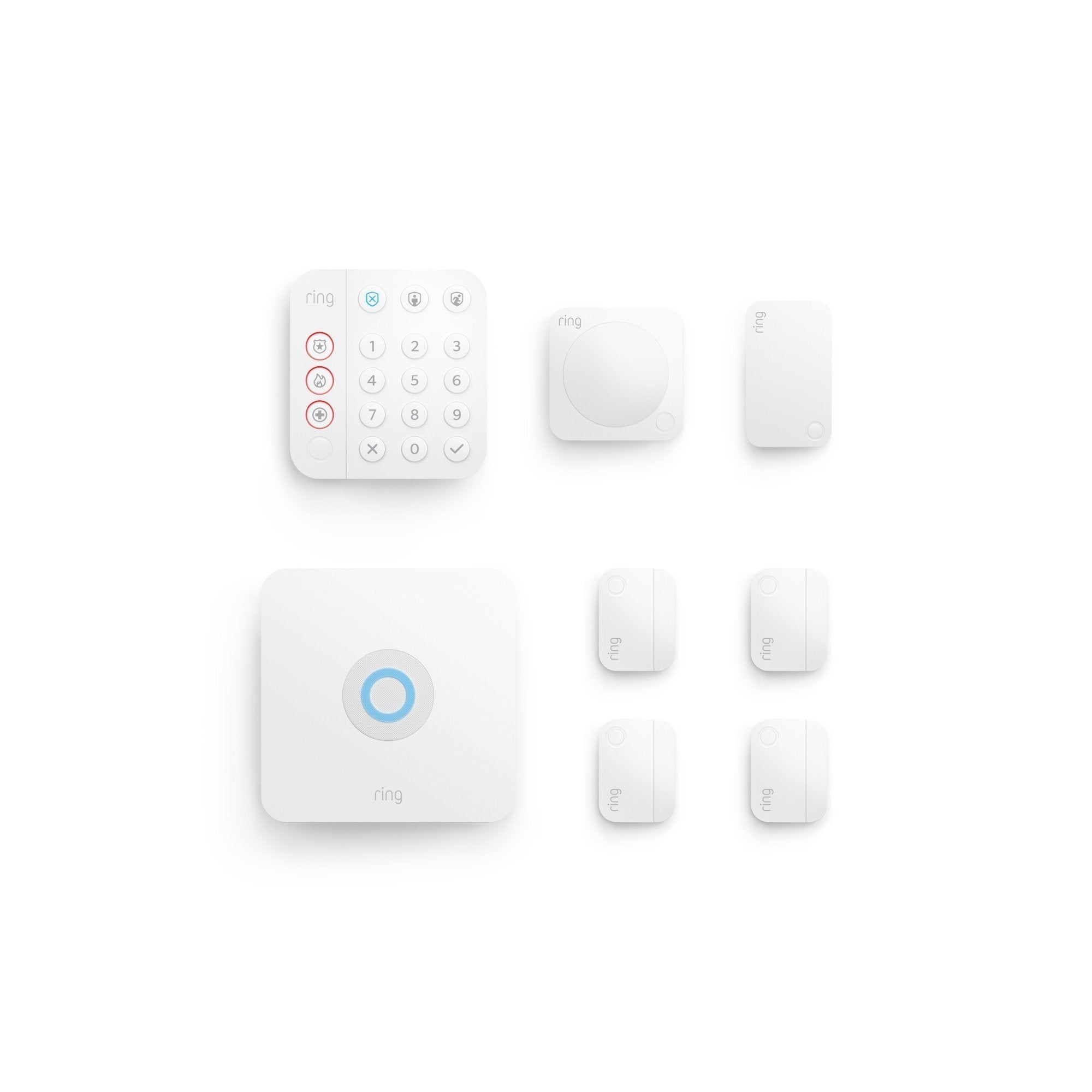
Ring Alarm 8-Piece Security System Kit
Ring Alarm offers comprehensive home protection with easy DIY installation, professional monitoring options, and seamless integration with Ring video doorbells and cameras. The 2026 model features enhanced motion detection, AI-powered alerts, and extended battery life for uninterrupted protection during power outages.
Vivint: Ultimate Smart Home Automation
Vivint excels at creating fully integrated smart home ecosystems where security, climate control, lighting, and entertainment systems work in concert. Their 2026 platform uses predictive AI to create automated routines that enhance both security and convenience. For example, when the system detects you leaving for work, it automatically arms the security system, adjusts the thermostat, locks all doors, and closes the garage. These smart home automation capabilities can significantly reduce energy consumption while simultaneously enhancing your home’s security posture. Vivint’s professional installation ensures optimal sensor placement and system configuration, though it comes at a premium price point.

Eufy Security Camera Pro 4K
Eufy’s flagship camera delivers exceptional 4K video quality with advanced AI person detection, facial recognition, and local storage for complete privacy. No monthly fees required. The weatherproof design and 365-day battery life make it perfect for outdoor monitoring, while the AI algorithms reduce false alarms by 95%.
Abode: Flexible No-Contract Protection
Abode appeals to tech-savvy homeowners who want professional-grade security without long-term contracts. Their open ecosystem philosophy allows integration with hundreds of third-party devices, from Z-Wave sensors to smart locks from various manufacturers. The 2026 Abode system includes advanced automation capabilities through IFTTT integration, enabling complex conditional responses to security events. Their monitoring plans are entirely optional—you can choose professional monitoring month-to-month or handle all alerts yourself through the mobile app.

AI-Powered Features Transforming Home Protection
Artificial intelligence has fundamentally transformed smart home security from a reactive alert system into a proactive protection platform. These AI-powered capabilities represent the cutting edge of residential security technology in 2026.
Facial Recognition and Behavioral Analysis
Modern security cameras don’t just record footage—they understand what they’re seeing. Advanced facial recognition algorithms can identify family members, frequent visitors, delivery personnel, and unknown individuals with remarkable accuracy. The system learns over time, building a comprehensive database of familiar faces while flagging unfamiliar ones for your attention. Beyond simple recognition, behavioral analysis algorithms detect unusual patterns that might indicate security threats, such as someone loitering near your property or attempting to obscure their face.
Predictive Threat Detection
The most sophisticated 2026 systems use machine learning to predict potential security incidents before they occur. By analyzing historical data, neighborhood crime patterns, and real-time environmental factors, these systems can assess your home’s vulnerability and recommend preventative measures. For example, if crime statistics show increased break-ins in your area during specific hours, your system might automatically increase surveillance sensitivity during those periods or send you proactive reminders to ensure all entry points are secured.
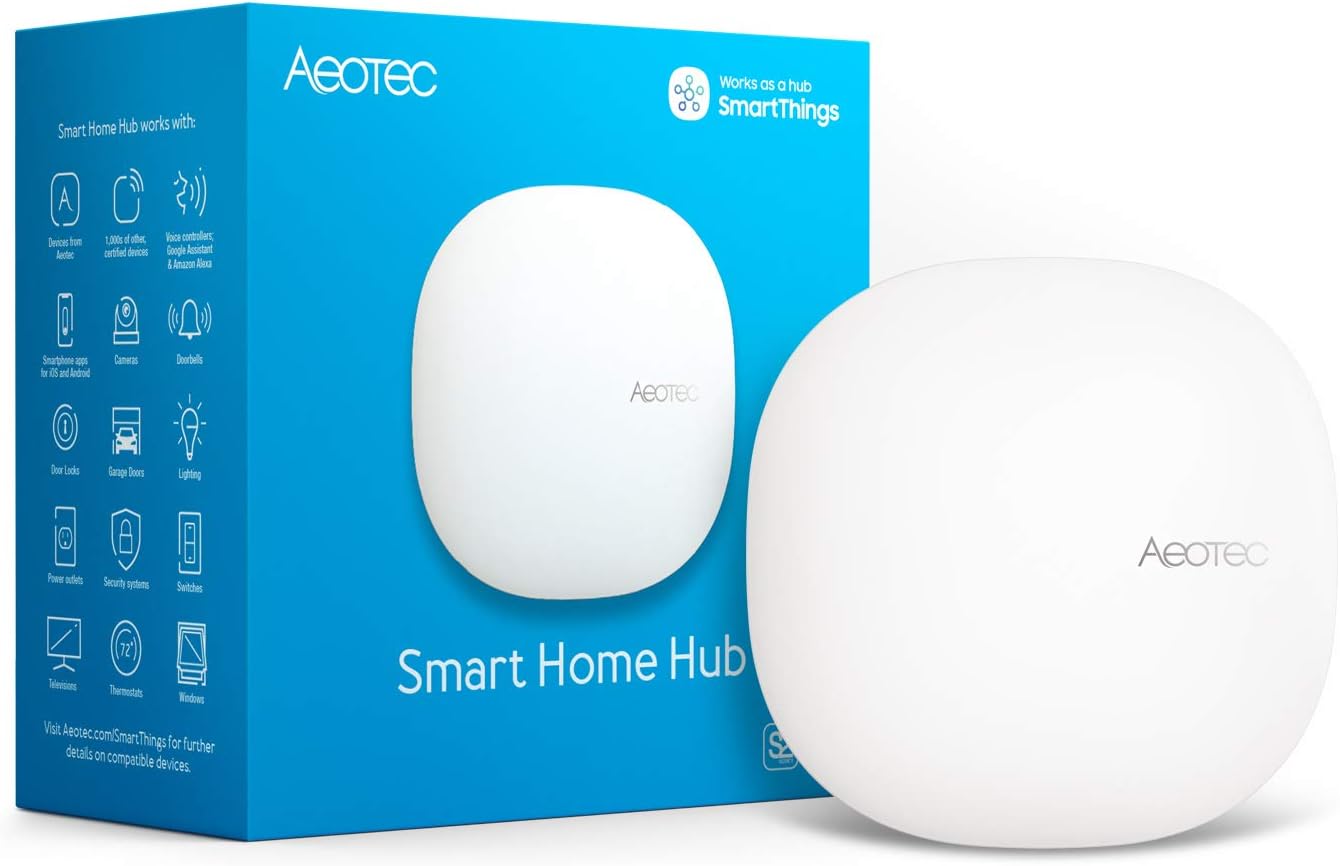
Samsung SmartThings Hub
Samsung’s comprehensive smart home ecosystem provides seamless integration between security sensors, cameras, smart locks, and home automation devices. The SmartThings Hub connects hundreds of compatible devices, creating a unified security and convenience platform controlled through a single intuitive app with voice control support.
Intelligent False Alarm Reduction
False alarms have plagued security systems since their inception, causing unnecessary stress and potentially incurring fines from local authorities. AI-powered systems in 2026 have dramatically reduced false alarms through sophisticated detection algorithms. These systems understand the difference between a tree branch moving in the wind and a person approaching your window, between your cat jumping on a counter and an intruder entering your home. By analyzing multiple data streams—motion, heat signatures, audio patterns, and visual recognition—modern systems achieve false alarm rates below 2%, compared to 15-20% for traditional systems.
Automated Emergency Response
When genuine threats are detected, 2026’s smart security systems respond with unprecedented speed and sophistication. Advanced systems can automatically contact emergency services, unlock doors for first responders, turn on all lights to disorient intruders, activate loud alarms, and even deploy non-lethal deterrents like strobe lights or fog systems. The system’s AI assesses the threat level and deploys appropriate countermeasures, ensuring proportionate responses to different situations.
Proactive vs. Reactive Security
Understanding the distinction between proactive and reactive security approaches is crucial for homeowners in 2026. Traditional systems operated entirely reactively—they waited for break-ins or security breaches to occur, then sounded alarms and notified monitoring services. While these reactions are valuable, they fundamentally address problems after they’ve already started.
Proactive security systems take a dramatically different approach. They work continuously to prevent security incidents from occurring in the first place. This proactive methodology includes several key strategies:
Continuous Environmental Monitoring: Proactive systems constantly scan your property’s surroundings, identifying potential threats before they materialize. If cameras detect someone repeatedly passing by your home or lingering near entry points, the system alerts you to the suspicious behavior. This early warning often deters criminal activity before it escalates to attempted break-ins.
Predictive Vulnerability Assessment: AI algorithms analyze your security setup to identify weak points. Perhaps a back window is frequently left unlocked, or a particular entry point lacks adequate sensor coverage. The system proactively recommends improvements to strengthen your security posture, often preventing exploitation of these vulnerabilities.
Automated Presence Simulation: When you’re away from home, proactive systems create the illusion of occupancy through intelligent automation. Lights turn on and off in realistic patterns, shades adjust throughout the day, and even televisions activate periodically. This sophisticated presence simulation deters would-be intruders who typically target obviously vacant properties.

Ecobee SmartThermostat with Voice Control
While primarily a climate control device, the Ecobee SmartThermostat integrates seamlessly with comprehensive smart home security systems. Built-in occupancy sensors detect presence throughout your home, supporting security automation routines. Voice control and compatibility with major security platforms make it an essential component of intelligent home protection.
The effectiveness of proactive security is demonstrated by compelling statistics. Homes with visible security cameras experience 67% fewer break-in attempts compared to unsecured properties. When combined with AI-powered behavioral monitoring and automated deterrents, the prevention rate increases even further. The fundamental principle is simple but powerful: preventing crimes is far more effective than merely responding to them after they occur.
Privacy and Cybersecurity Considerations
As smart home security systems become more sophisticated and interconnected, they inevitably raise important questions about privacy and data security. The same technologies that protect your home—always-on cameras, continuous monitoring, behavioral analysis—also create potential privacy concerns that responsible homeowners must address.
The first consideration involves data storage and access. Where is your security footage stored? Who can access it? How long is it retained? In 2026, systems offer diverse approaches to these questions. Cloud-based storage provides convenience and remote access but requires trusting third-party servers with sensitive data. Local storage solutions, like those offered by Eufy, keep your data entirely under your control but may lack the redundancy and accessibility of cloud systems. The best approach depends on your personal privacy priorities and technical capabilities.
Encryption standards have become critical differentiators among security systems. Leading platforms in 2026 implement end-to-end encryption for all video streams and data transmissions, ensuring that even if data is intercepted during transmission, it remains unreadable to unauthorized parties. Look for systems that use military-grade AES-256 encryption and support two-factor authentication for account access.
Cybersecurity vulnerabilities represent another crucial concern. Your security system protects your home from physical threats, but what protects the system itself from digital attacks? Hackers have increasingly targeted poorly secured smart home devices, using them as entry points into home networks. Robust systems implement multiple defensive layers: secure firmware with regular updates, network segmentation to isolate security devices from other home systems, and intrusion detection to identify suspicious access attempts.
The Matter protocol, now widely adopted in 2026, has significantly improved security standardization across smart home devices. Matter includes built-in encryption and authentication requirements, ensuring baseline security across all compatible devices. When building your smart home security ecosystem, prioritize Matter-certified devices to ensure consistent security standards.

Choosing the Right System for Your Home
Selecting the optimal smart home security system requires careful consideration of multiple factors unique to your situation. There’s no universal “best” system—only the best system for your specific needs, budget, and technical comfort level.
Assess Your Property’s Specific Needs: Begin by conducting a thorough security audit of your home. How many entry points require monitoring? Do you have a large yard requiring outdoor cameras? Are there specific vulnerable areas, like secluded back doors or basement windows? Properties with multiple floors, detached garages, or large grounds require more extensive sensor and camera coverage than compact apartments or condos.
Determine Your Budget and Ongoing Costs: Smart security systems involve both upfront equipment costs and ongoing monitoring fees. DIY systems like SimpliSafe and Abode typically cost $200-$500 for equipment with optional monitoring around $15-30 monthly. Professional systems like ADT and Vivint may include subsidized equipment but require longer contracts and higher monthly fees ($40-60). Calculate total cost of ownership over several years to make accurate comparisons.
Evaluate Integration Requirements: If you’ve already invested in smart home devices—Alexa, Google Home, smart lights, locks, or thermostats—ensure your security system integrates seamlessly with your existing ecosystem. Systems supporting the Matter protocol offer maximum compatibility, while proprietary platforms may require replacing existing devices or accepting limited integration.
Consider Professional vs. DIY Installation: Professional installation ensures optimal sensor placement and system configuration but costs $100-500 depending on system complexity. DIY installation saves money and provides flexibility but requires technical comfort and time investment. Most modern systems offer surprisingly straightforward DIY installation with video tutorials and customer support, making professional installation unnecessary for many homeowners.
Understand Monitoring Options: Professional monitoring provides 24/7 oversight by trained security specialists who can dispatch emergency services when you’re unable to respond. Self-monitoring relies entirely on your smartphone alerts and personal response. Hybrid approaches allow you to handle alerts yourself but maintain professional backup during vacations or when you’re unavailable. Your lifestyle, work schedule, and travel frequency should inform this decision.


Finally, consider future expandability. Your security needs will likely evolve as your family grows, as you add home improvements, or as new technologies emerge. Choose systems with flexible architectures that support adding sensors, cameras, and smart devices over time without requiring complete system replacement. Open platforms that support third-party devices provide maximum flexibility for future expansion.
Smart home security in 2026 represents a remarkable convergence of artificial intelligence, IoT connectivity, and proactive protection strategies. As these systems continue evolving, they’re transforming from simple alarm systems into comprehensive safety ecosystems that learn, adapt, and actively prevent threats. By understanding the available options, prioritizing privacy and cybersecurity, and selecting systems aligned with your specific needs, you can create a security solution that provides genuine protection and peace of mind for years to come. The future of home security isn’t just about responding to threats—it’s about preventing them before they ever materialize.


[…] or forgotten. Smart locks are just one piece of a comprehensive security strategy—our guide to smart home security systems, AI trends, and proactive protection in 2026 covers the full […]
LikeLike