


For the modern homeowner, the monthly utility statement has transformed from a predictable chore into a source of genuine financial anxiety. As we navigate the landscape of 2026, energy consumers are witnessing a staggering decoupling of electricity rates from standard economic cooling. Across major metropolitan areas, residential power costs have climbed by nearly 20% in the last 24 months, leaving many to wonder where the ceiling actually is.

The narrative is often simplified into a single word: “inflation.” However, the truth is far more structural. We are currently living through a perfect storm of aging transmission infrastructure, the insatiable energy demand of artificial intelligence, and a massive, front-loaded transition toward renewable grid hardening. For energy consumers, understanding these macro-trends is the first step in moving from a passive payer to an active prosumer.
The Infrastructure Debt: Paying for a 20th-Century Grid
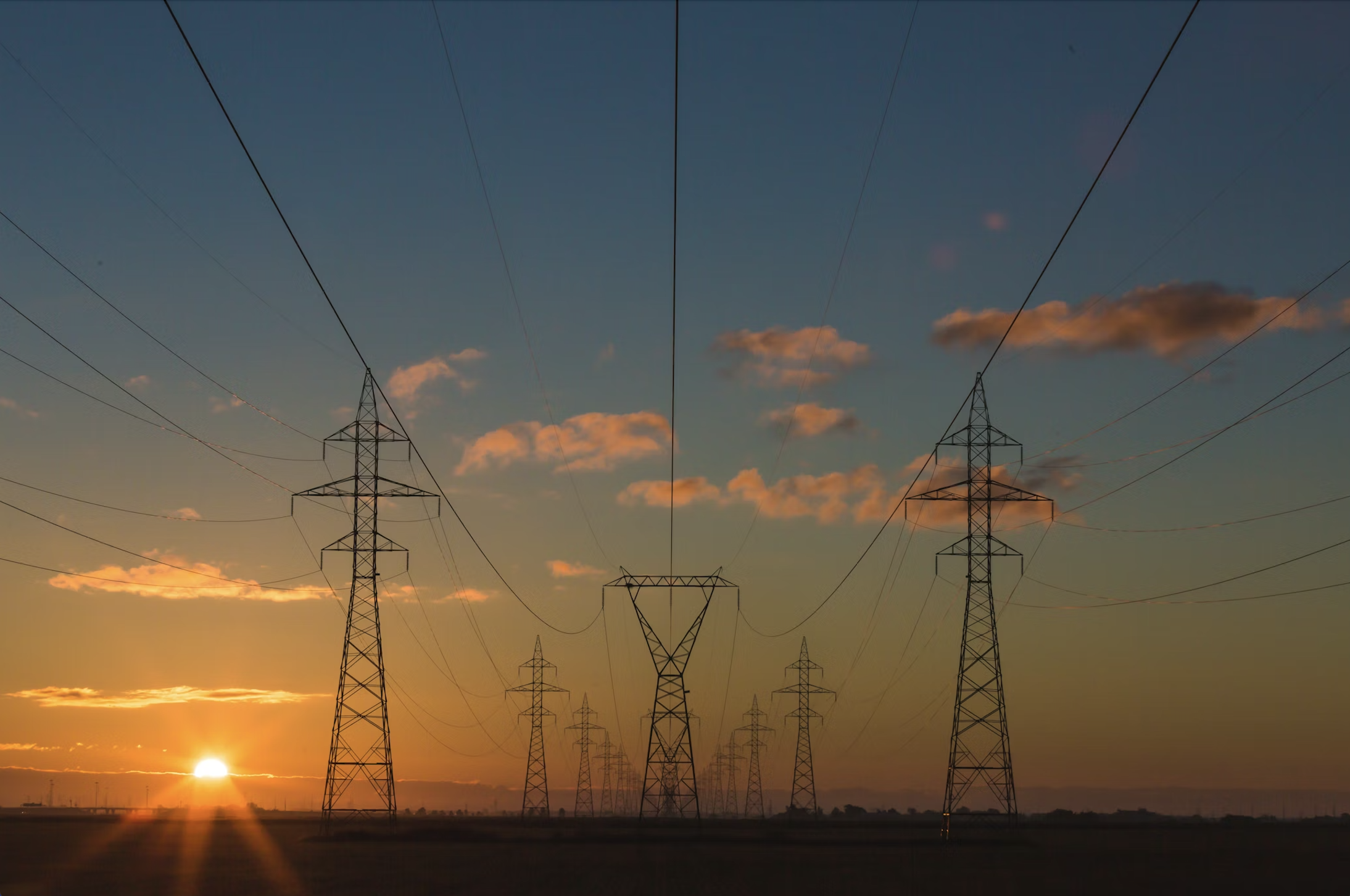
The primary reason energy consumers are paying record prices today isn’t the cost of producing electricity—it’s the cost of delivering it. Roughly 70% of the U.S. transmission and distribution lines are over 25 years old. This aging equipment is not only less efficient, leading to higher line losses, but it is also increasingly vulnerable to the extreme weather patterns that have become more frequent in the mid-2020s.
By integrating thousands of small-scale solar arrays and EV charging stations, the grid has had to transition from a simple, unidirectional flow to a complex, multi-directional ecosystem. This “digitalization” of the grid is expensive, and the energy consumers of 2026 are the ones footing the bill for this historic transition.
The AI Surge: Competition for the Baseline
Perhaps the most significant new driver of utility hikes is the meteoric rise of generative AI. Large-scale data centers require constant, immense amounts of power—often more than a mid-sized city. These facilities compete for the same “baseline” power supply that residential energy consumers rely on. When supply is tight, wholesale prices spike, and those costs are eventually passed down to the consumer meter.


Ecobee Smart Thermostat Premium
The most effective hedge for energy consumers against utility volatility. This device doesn’t just manage temperature; it uses radar technology to detect occupancy and “Time-of-Use” algorithms to shift your heating and cooling to hours when electricity is cheapest.
The “Duck Curve” and Intermittency Costs
As we shift more heavily toward wind and solar, we face the challenge of intermittency. Solar produces most when demand is often lowest, and wind can be unpredictable. This leads to what economists call the “Duck Curve,” where the grid has an oversupply of power during the day but faces a massive, expensive spike in demand as the sun sets.
To manage this, utilities must maintain “peaker plants”—often gas-fired turbines that can spin up quickly but are very expensive to operate. For energy consumers, this means that even if the “average” price of energy is low, the price during the hours you actually use it is soaring.
Energy Arbitrage: The Power of Residential Storage
To win in this new environment, energy consumers must transition to a storage mindset. This practice, known as energy arbitrage, involves storing electricity when rates are low (usually in the middle of the night) and discharging it when rates are at their peak (4:00 PM to 9:00 PM). This effectively decouples your cost of living from the utility’s peak pricing.


Anker SOLIX C1000 Power Station
The ultimate tool for energy consumers looking to buffer themselves from the grid. This unit allows you to store grid energy when prices are at their lowest and power your high-draw devices during peak-pricing windows or outages.
Efficiency Beyond the Thermostat
While smart thermostats manage the bulk of your consumption, the “tails” of your energy usage are where many energy consumers leak money. From “phantom loads” of devices on standby to inefficient air circulation that forces your HVAC to work 20% harder than necessary, these small inefficiencies compound over a 30-day billing cycle.


Dyson Purifier Cool Gen1
Proactive energy consumers know that superior air circulation is key to reducing the load on centralized cooling. The Dyson Purifier Cool offers advanced HEPA filtration while using a fraction of the wattage required by traditional industrial fans or older AC window units.
Real Estate Value and the Efficient Home
From a real estate investing perspective, a home’s energy profile has become a primary valuation metric. In a world of $300-400 monthly electricity bills, a property that can demonstrate 50% lower overhead through smart tech and storage is significantly more valuable. Investors are increasingly looking for “high-performance” buildings that offer long-term predictable costs.

By investing in these systems now, you aren’t just saving on your monthly bill; you are performing a capital improvement that future buyers will actively seek out. In 2026, a house that isn’t helping its energy consumers save money is a house that is losing market share.
Conclusion: Taking Command of the Meter
The 2026 energy landscape is undeniably challenging, but for the informed energy consumer, it is also a landscape of opportunity. By moving beyond a passive relationship with your utility and embracing decentralized storage, intelligent climate control, and passive efficiency, you can turn your home from a cost center into a resilient, productive asset.
The power is shifting from the central grid to the edges. It’s time to stop paying for the 20th century and start investing in the future of your own home’s infrastructure.
Stay ahead of the market at therealestestate.blog. Explore more on Real Estate Strategy, Wealth Management, and Smart Home Tech.


Leave a ReplyCancel reply