
Affiliate Disclosure: As an Amazon Associate, I earn from qualifying purchases at no extra cost to you. This article contains affiliate links to products we independently recommend based on real estate and urban living trends.

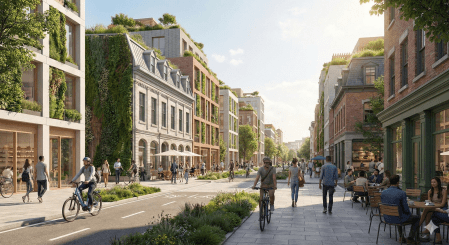
Back in the early 2020s, the “15-minute city”—a concept pioneered by urbanist Carlos Moreno where work, shops, medical care, and leisure are all within a short walk or bike ride of your front door—was largely a theoretical buzzword. It was a highly debated topic in urban planning circles. Critics saw it as a restriction on movement; proponents saw it as a necessary, sustainable evolution of civic life.
Fast forward to 2026. The economic data is in, and the theoretical debate is effectively over in the commercial and residential real estate sectors. The concept has become a concrete reality, and it is currently the single most significant driver of residential property value in metropolitan areas across the globe.
The “urban premium” has returned with a vengeance, but it looks vastly different than the pre-pandemic model. Real estate value isn’t just about being in the city center anymore; it’s about being in the right kind of hyper-localized neighborhood node. We are witnessing a massive divergence in property values based on new “livability metrics.” Factors like acoustic isolation, micro-mobility infrastructure, and immediate access to biophilic (green) spaces are now outweighing raw square footage in modern appraisal models.
If you followed our recent deep-dive in the Matter 2.0 Guide to Building a Private Smart Home, you already know that digital technology is the essential invisible infrastructure holding these denser, modern lifestyles together. Today, we are zooming out. We are looking at the macro urban planning trends driving property values in 2026, and the specific, practical gear that helps homeowners, renters, and real estate investors capitalize on these shifts.
1. The Mobility Revolution: The “Unbundling” of Parking

The most visible and economically impactful shift in 2026 real estate is the death of the bundled parking space. Historically, zoning laws required developers to build a specific number of parking spots per residential unit. Building an underground parking garage can cost upwards of $50,000 per space—a cost that is passed directly onto the buyer or renter, regardless of whether they own a vehicle.
However, aggressive zoning reforms in major hubs have eliminated these parking minimums, encouraging developers to prioritize “gentle density.” In 2026, a prime parking spot in a condo building is often unbundled and sold separately, sometimes for six figures. This unbundling has made car-free living not just an environmental choice, but a massive financial advantage.
Properties that swap underground concrete bunkers for secure, ground-level e-mobility storage are appreciating significantly faster. For the modern urbanite, the SUV has been replaced by high-performance electric micro-mobility that solves the “last mile” problem without the overhead of insurance, gas, and parking fees.

Electric Urban Commuter Bike
This is the gold standard design for the urban commuter. It’s remarkably lightweight, foldable enough to store securely in a studio apartment closet or beneath an office desk, and powerful enough to flatten steep city hills. It’s exactly the kind of hardware that makes living in a 15-minute zone practical rather than just an aspiration.
Check Price on AmazonOf course, with the massive rise in the adoption of expensive e-bikes and scooters comes the unfortunate reality of urban theft. Security has shifted away from the locked garage door to personal, heavy-duty device protection.

Kryptonite New York Fahgettaboudit Chain Lock
If your e-bike is your primary commuter vehicle, you need serious, uncompromising security for those times you have to lock it outside a grocery store or cafe. Featuring 14mm six-sided chain links made of hardened manganese steel, this is widely considered one of the toughest locks on the market—an essential insurance policy for the 15-minute city dweller.
Check Price on Amazon2. Silence is the New Ultimate Luxury
The undeniable downside of increased urban density is noise. The reality of the 15-minute city often means living physically closer to streetcars, delivery drones, automated services, and a higher volume of neighbors. In previous decades, people seeking peace and quiet moved to the sprawling suburbs. In 2026, savvy homeowners stay in the city and retrofit for silence.
We are tracking a massive spike in demand for acoustic treatments in older urban housing stock. A property’s “quiet score”—its ability to attenuate external decibel levels, measured by its Sound Transmission Class (STC) rating—is becoming as important as its walk score. Investors looking at home renovation projects are finding that dollars spent on soundproofing yield a remarkably high ROI compared to purely aesthetic kitchen or bathroom upgrades.
If you aren’t undertaking a full studs-out remodel to install mass-loaded vinyl and resilient channels, strategic interior design is your first line of defense. Managing the sonic environment is crucial for deep sleep quality and sustained work-from-home focus.
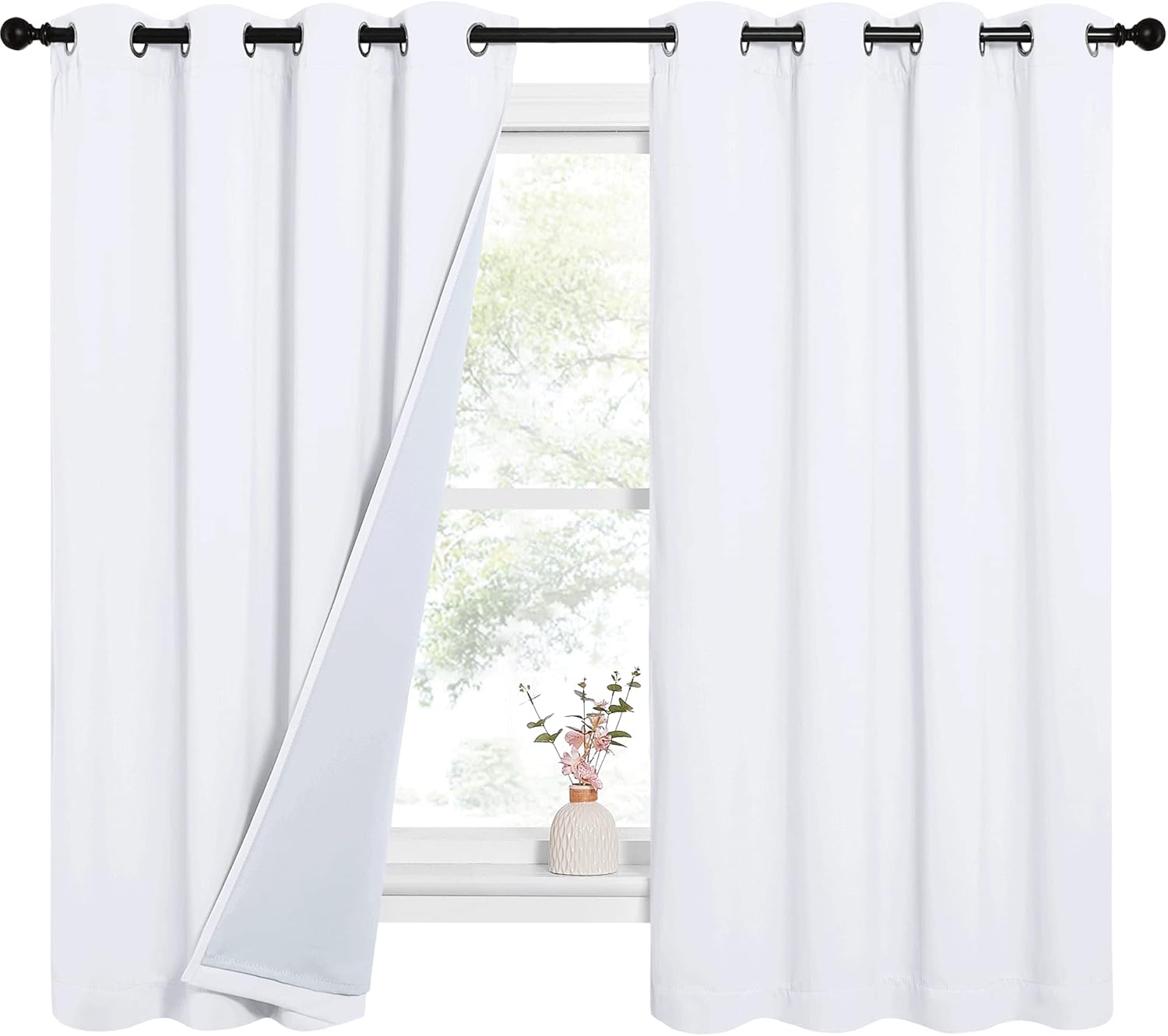
NICETOWN 3-Layer Soundproof Blackout Curtains
These are not your average sheer window dressings. They utilize a dense, three-layer weave with a detachable felt liner specifically designed to absorb and dampen high-frequency city traffic noise. For bedrooms facing busy streets or mixed-use commercial zones, these are an absolute essential investment that pays immediate dividends in sleep quality and privacy.
Check Price on AmazonSometimes, however, simply blocking noise isn’t enough; you need to actively mask it. The acoustic environment of a dense, shared-wall building requires active management, especially during the night when the ambient city hum drops and sudden noises become more jarring.
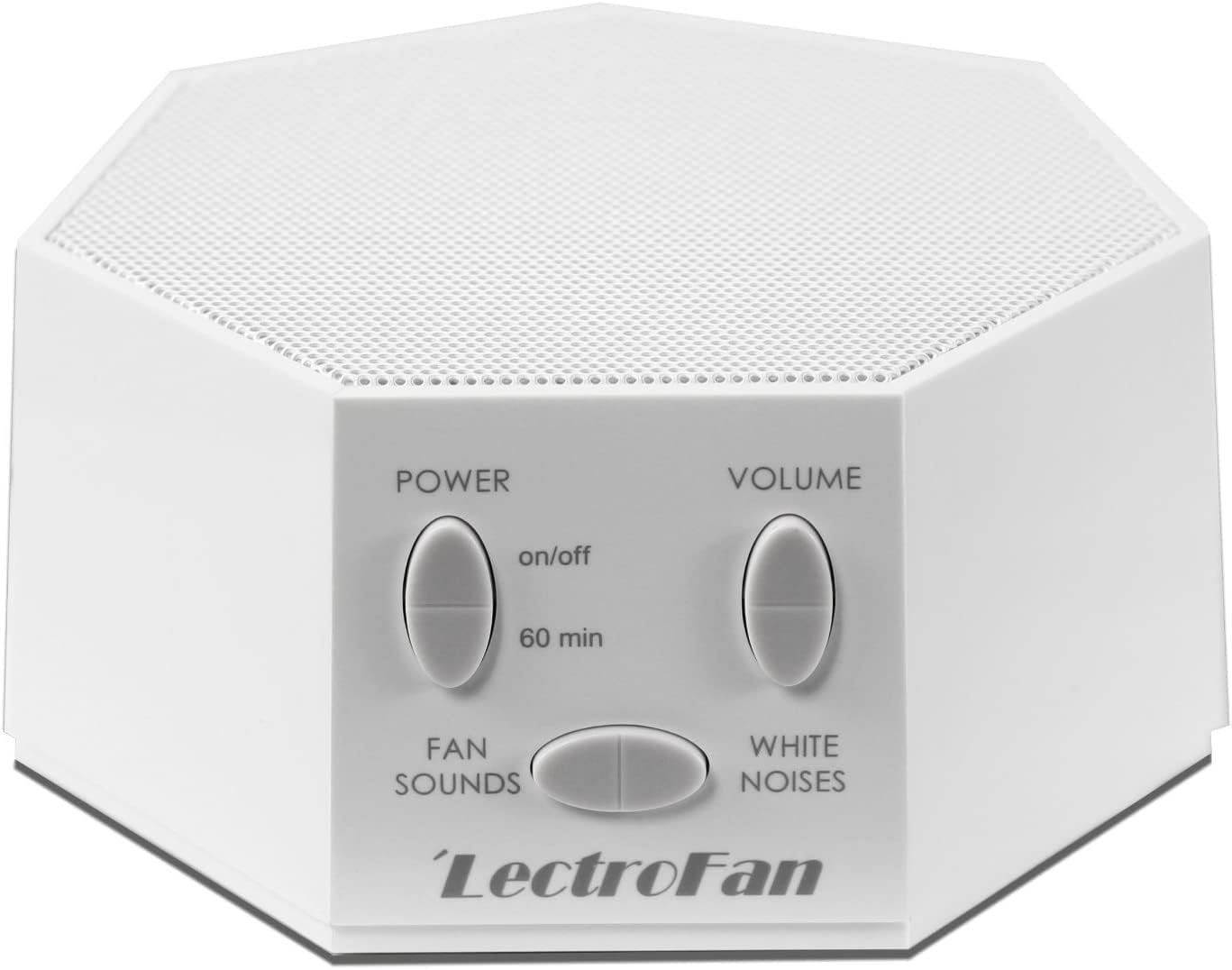
LectroFan High Fidelity White Noise Machine
In a dense apartment building, sudden noises from neighbors—footsteps, plumbing, voices—are inevitable. This non-looping machine creates a consistent, high-fidelity “sound floor” that effectively raises your brain’s threshold of hearing. By masking these acoustic spikes, it ensures sudden city noises are far less jarring, allowing you to remain asleep through the night.
Check Price on Amazon3. Biophilic Design: Combatting the Concrete Jungle

One of the valid, long-standing criticisms of the 15-minute city model is the potential for a “concrete jungle” effect—exacerbating urban heat islands and psychologically disconnecting residents from nature. However, the most financially successful and highly appraised urban developments in 2026 are those heavily incorporating biophilic design.
Biophilia is the innate human instinct to connect with nature and other living beings. As we’ve noted in our broader analysis of macro urban planning trends, visual and physical access to greenery is now directly tied to property desirability, lower cortisol levels, and overall mental well-being. If a residential unit doesn’t have a direct view of a park, it must incorporate internal green space to maximize its value.
You don’t need a sprawling suburban backyard to participate in this trend. Vertical gardening has moved out of the realm of niche hobbyists and has become a standard interior design element for maximizing agricultural yield within small apartment footprints.

Mr. Stacky 5-Tier Vertical Garden Planter
This clever, flow-through watering system allows you to grow up to 20 different plants—from basil and mint to strawberries and lettuce—in just one square foot of floor space. It’s perfect for a high-rise balcony or a sunny kitchen corner, bringing essential “green value” and fresh, ultra-local produce into even the most compact studio apartment.
Check Price on Amazon4. The Invisible Metric: Indoor Air Quality (IAQ)

The reality of 2026 urbanism also involves dealing with more concentrated, localized pollution and the unfortunate annual reality of extended wildfire smoke seasons in many North American and European regions. Furthermore, adaptive reuse projects are turning old industrial buildings into lofts, and new construction methods utilize incredibly tight building envelopes for maximum energy efficiency. While great for insulation, this traps indoor pollutants.
Consequently, Indoor Air Quality (IAQ) has become a massive concern for modern buyers. Real estate listings that explicitly mention “MERV-13 hospital-grade filtration,” “active air monitoring sensors,” or “dedicated Energy Recovery Ventilation (ERV) systems” are selling significantly faster than comparable units. Buyers are acutely aware of the health impacts of volatile organic compounds (VOCs) off-gassing from cheap furniture and fine particulate matter seeping in from the street.
For the individual homeowner or renter, knowledge is the first step. You cannot manage a metric that you do not measure. Integrating standalone air monitoring into your smart home ecosystem is a non-negotiable step toward a healthier urban life.

Amazon Smart Air Quality Monitor
This compact device accurately tracks fine particulate matter (PM 2.5), VOCs, carbon monoxide, and humidity, syncing data directly to your phone or smart home hub. It acts as the “lungs” of your smart home, alerting you when it’s time to turn on HEPA air purifiers or warning you to keep windows tightly closed during poor outdoor air quality days.
Check Price on Amazon5. The Unforgiving Economics of the “Flex” Room

Finally, the sheer economics of 2026 real estate demand hyper-flexibility in residential floor plans. The permanent, structural shift to hybrid and remote work models means that our homes must serve more functions than ever before. However, the cost of urban square footage has made the dedicated, single-use “guest room” a luxury of the past.
Consider the math: If a city apartment costs $800 per square foot, a 150-square-foot room dedicated solely to a guest bed that is used 10 days out of the year represents $120,000 of entirely wasted capital. The multi-purpose “flex” space is no longer a trendy concept; it is a financial necessity.
When every square foot costs a premium, furniture must pull double duty. We are seeing a massive surge in high-end “transformable” architecture and furniture that allows a living room to become a yoga studio, or a home office to seamlessly transition into an entertaining space in seconds. This isn’t flimsy dorm-room furniture; it is high-end, functional engineering that physically unlocks the value of your floor plan.

Wall-Mounted Drop-Leaf Desk Table
This heavy-duty, wall-mounted desk provides an ample, stable workspace for your laptop and monitors during the 9-to-5 workday. Crucially, it folds completely flat against the wall when you’re done working, instantly reclaiming precious floor space for evening entertaining or morning exercise. It’s exactly the kind of “invisible furniture” that defines the efficient interior aesthetic.
Check Price on AmazonConclusion: Adaptation is the True Driver of Value
The “15-minute city” is no longer a theoretical debate about urban ideology; it is the governing, underlying dynamic of urban real estate values. The reality of this trend is that proximity requires adaptation. You cannot simply drop a suburban lifestyle into a dense urban node and expect it to work comfortably.
By optimizing your living space with the right gear, the right technology, and a flexible mindset—from installing acoustic dampening and active air monitoring to utilizing micro-mobility solutions and transformable furniture—you aren’t just living a more convenient, localized life. You are actively securing, enhancing, and utilizing the true value of your real estate asset in a rapidly densifying world.

Leave a Reply