


Affiliate Disclosure: This post contains affiliate links. If you make a purchase through these links, we may earn a commission at no additional cost to you.
The pandemic-era dream of working remotely from a charming mountain town or beachside community is fading fast. After three years of the “Zoom town” phenomenon, a significant reverse migration is underway as remote workers pack up and head back to major metropolitan areas like Chicago and New York City.
What changed? The reality of small-town living didn’t match the Instagram-worthy fantasy for many remote workers who fled cities during COVID-19.

The Rise and Fall of Zoom Towns
During 2020-2021, small towns across America experienced unprecedented population booms. Places like Bozeman, Montana; Bend, Oregon; and Park City, Utah saw housing prices skyrocket as urban professionals discovered they could work from anywhere. The promise was enticing: lower cost of living, more space, access to nature, and escape from crowded cities.
But by 2023, the tide began turning. Census data shows that major cities are regaining population, with Chicago adding residents for the first time in years and New York City’s population rebounding strongly.
Why Remote Workers Are Returning to Cities
1. Return-to-Office Mandates
The biggest factor driving the reverse migration is employers calling workers back to the office. Companies like Amazon, Disney, and Goldman Sachs have implemented strict return-to-office policies, requiring employees to be in the office 3-5 days per week. For workers who moved hundreds or thousands of miles away, this meant a difficult choice: relocate back or find a new job.
2. Social Isolation
Many remote workers discovered that small-town life was lonelier than expected. Without the built-in social networks of office colleagues and urban amenities, people felt isolated. The coffee shop culture and networking opportunities of cities were sorely missed.
3. Limited Amenities and Services
Small towns lack the restaurants, entertainment venues, cultural institutions, and specialized services that city dwellers took for granted. Need a specific medical specialist? Want diverse dining options? Miss live music and theater? These amenities are scarce outside major metros.
4. Higher Costs Than Expected
While housing might have been cheaper initially, the Zoom town influx drove prices up dramatically. Additionally, other costs proved higher: limited shopping options meant higher prices, car dependency increased transportation costs, and heating/cooling larger homes in extreme climates added up.
5. Career Concerns
Ambitious professionals realized that being far from their industry’s hub could hurt career advancement. Networking, mentorship opportunities, and visibility to leadership all suffered when working remotely from distant locations.
Essential Moving Supplies
If you’re planning your move back to the city, having quality moving supplies makes all the difference. We recommend the uBoxes Moving Boxes Bundle of 18″x14″x12″ (Medium Boxes – Pack of 20), which provides everything you need for a smooth relocation.


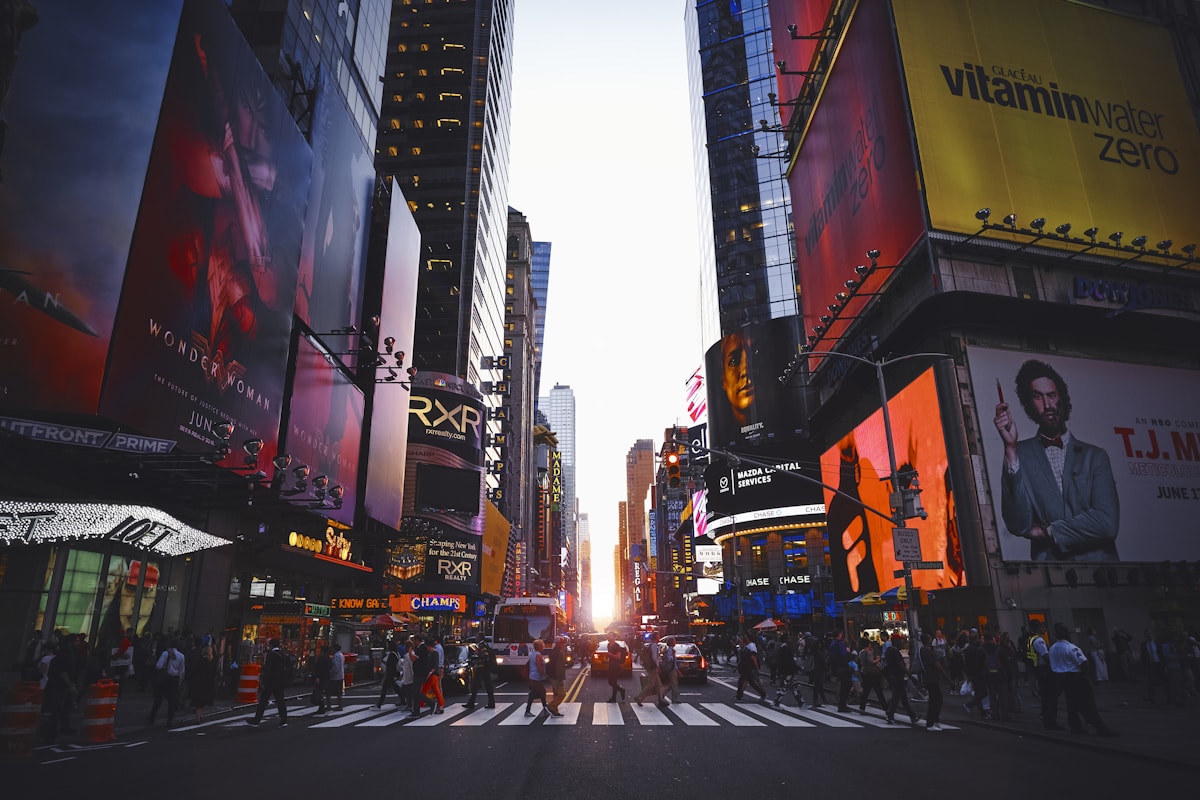
Chicago and NYC: The Comeback Cities
Both Chicago and New York City are experiencing renewed interest from the very demographic that left during the pandemic: young professionals and families.
Chicago’s Advantages: More affordable than coastal cities, excellent public transit, world-class cultural institutions, and a thriving job market in finance, tech, and healthcare. The city has also improved safety in many neighborhoods and offers significantly more space per dollar than NYC.
NYC’s Resurgence: Despite predictions of its demise, New York remains the ultimate career accelerator. The city’s unmatched density of opportunities, cultural diversity, and energy continue to attract ambitious professionals. New residential developments and improved quality of life initiatives are making the city more livable.
The New Urban Reality
The return to cities doesn’t mean abandoning all pandemic-era changes. Hybrid work remains common, giving urbanites flexibility to occasionally work from elsewhere. But the primary residence is back in the city, where career opportunities, social connections, and amenities are concentrated.
Cities have also evolved. Many have expanded outdoor dining, improved parks and public spaces, and created more pedestrian-friendly environments. The post-pandemic city offers some of the lifestyle improvements people sought in Zoom towns, but with urban advantages intact.
What This Means for Real Estate
The Zoom town reversal has significant real estate implications:
- Urban rental markets are tightening: Vacancy rates in major cities are declining as demand increases
- Zoom town markets are cooling: Some small towns are seeing price corrections as the influx slows
- Suburban areas near cities remain strong: Close-in suburbs offer a compromise with city access and more space
- Urban condos are hot again: After years of single-family home dominance, urban condos are regaining popularity
Maximize Your City Apartment Space
Urban apartments require smart organization. The Volnamal Legging Organizer for Closet – Space Saving Hangers helps you make the most of limited cabinet and closet space.


Making the Move Back
If you’re considering returning to a major city, here are key considerations:
Timing: Competition for urban housing is increasing. Acting sooner rather than later may offer better options and prices.
Neighborhood Selection: Research neighborhoods carefully. Many areas have changed significantly since 2020, with new developments and shifting demographics.
Budget Reality: Urban living costs more, but factor in reduced car dependency, better job opportunities, and lifestyle value.
Hybrid Work Negotiation: If your employer requires office presence, negotiate for maximum flexibility to maintain some remote work benefits.
Stay Organized During Your Move
Label your boxes and organize efficiently with the DYMO LabelManager 160 Portable Label Maker Bundle. This portable label maker is perfect for keeping track of your belongings during the move and setting up your new apartment.


This doesn’t mean everyone should live in cities—plenty of people genuinely prefer small-town life and make it work beautifully. But for career-focused professionals, especially those early in their careers, the gravitational pull of major metros remains strong.
The pandemic gave us permission to experiment with where we live. Now, with that experiment complete, many are choosing cities again—but with new appreciation for what they offer and clearer expectations about the trade-offs involved.


Leave a ReplyCancel reply