

Disclosure: This post contains affiliate links. If you click and make a purchase, I may earn a small commission at no extra cost to you.
Starting your first job is exciting, but managing an entry-level salary can feel overwhelming. Between student loans, rent, and everyday expenses, it’s easy to wonder if you’ll ever get ahead financially. The good news? With the right budgeting strategies, you can build a solid financial foundation even on a modest income. This comprehensive guide will walk you through everything you need to know about budgeting on an entry-level salary, from understanding your take-home pay to building an emergency fund and planning for the future.

Understanding Your Entry-Level Salary: What You Actually Take Home
Before you can create an effective budget, you need to understand the difference between your gross salary and your actual take-home pay. That $50,000 annual salary you negotiated? You won’t see all of it in your bank account. After federal taxes, state taxes, FICA (Social Security and Medicare), health insurance premiums, and retirement contributions, you might only take home 60% to 80% of your stated salary—potentially just $30,000 to $40,000 annually.
This reality check is crucial for setting realistic expectations. Review your first few paychecks carefully to understand exactly what’s being deducted and why. If you’re a freelancer, remember to set aside money for taxes and account for the 15.3% self-employment tax. Understanding your true income is the foundation of successful budgeting.
The 50/30/20 Rule: A Simple Framework for Entry-Level Budgeting
One of the most popular and effective budgeting methods for young professionals is the 50/30/20 rule. This straightforward approach divides your after-tax income into three categories:
- 50% for Needs: Essential expenses like rent, utilities, groceries, transportation, insurance, and minimum debt payments
- 30% for Wants: Discretionary spending including dining out, entertainment, hobbies, streaming services, and personal care
- 20% for Savings and Debt Repayment: Emergency fund contributions, retirement savings, and extra payments toward student loans or credit cards
While this rule provides an excellent starting point, it’s flexible. If you live in a high-cost area where rent consumes more than 50% of your income, you might need to adjust to a 60/20/20 or even 70/15/15 split temporarily. The key is finding a balance that works for your specific situation while still prioritizing savings.

Track Every Dollar: The Foundation of Financial Awareness
You can’t manage what you don’t measure. Tracking your spending is the single most important habit you can develop when budgeting on an entry-level salary. For at least one month, record every single purchase—from your morning coffee to your rent payment. This exercise reveals spending patterns you might not even realize exist.
Use whatever method works best for you: a budgeting app like Mint or YNAB, a simple spreadsheet, or even a notebook. The goal is to categorize your expenses into essential and nonessential categories, then identify fixed expenses (like car insurance) versus variable expenses (like groceries). This awareness is powerful—many people discover they’re spending $200+ monthly on subscriptions they barely use or dining out more than they realized.
Essential Budgeting Tools to Get Started
Having the right tools can make budgeting easier and more effective. Here are some highly-rated products that can help you stay organized:
Clever Fox Budget Planner

This comprehensive budget planner features undated monthly layouts, expense trackers, savings goal sections, and financial review pages. The A5 size makes it portable, and the thick 120gsm paper prevents ink bleed-through. Perfect for those who prefer the tactile experience of writing down their financial goals.
Paper Junkie Budget Tracker Notebook
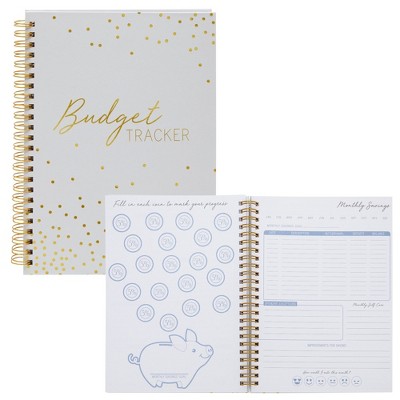
This elegant hardcover notebook features 112 pages of monthly expense tracking sheets with sections for dates, descriptions, amounts, payments, and deposits. The gold foil dot design adds a touch of style to your financial planning routine. Compact at 8.5″ x 6″, it fits easily in your bag.
Soomeet Budget Planner with Pockets

This undated financial planner includes built-in pockets for storing receipts and bills, making it easy to keep all your financial documents in one place. Features monthly budget worksheets, expense trackers, debt payoff sections, and savings goal pages. The durable cover and elastic closure keep everything secure.
Maximize Your Company Benefits: Free Money You Might Be Missing
One of the biggest mistakes young professionals make is not fully utilizing their company benefits. Review your benefits manual carefully—you might be surprised at what’s available. At minimum, take advantage of:
- Employer 401(k) Match: This is literally free money. If your company matches up to 5% of your salary, contribute at least 5%. That’s an instant 100% return on your investment.
- Health Savings Account (HSA): If you have a high-deductible health plan, HSA contributions are tax-deductible, grow tax-free, and can be withdrawn tax-free for medical expenses.
- Employee Discounts: Many companies offer discounts on gym memberships, entertainment venues, software subscriptions, and more.
- Professional Development: Some employers offer tuition reimbursement or professional development budgets—use them to increase your earning potential.
These benefits can save you hundreds or even thousands of dollars annually, effectively giving you a raise without negotiating your salary.

Tackling Student Loan Debt Strategically
For many entry-level professionals, student loan debt is the elephant in the room. The average 2020 graduate with a bachelor’s degree owed over $28,000 in student loans. While this can feel overwhelming, strategic approaches can help you manage this debt without sacrificing your entire paycheck.
First, understand your repayment options. Federal student loans offer income-driven repayment plans that cap your monthly payment at a percentage of your discretionary income. While this extends your repayment period, it can provide breathing room when you’re just starting out. Consider these strategies:
- Pay more than the minimum: Even an extra $50 monthly can significantly reduce your total interest paid over time.
- Use the debt avalanche method: Focus extra payments on the loan with the highest interest rate first.
- Refinance strategically: If you have good credit and stable income, refinancing might lower your interest rate—but be aware you’ll lose federal protections like income-driven repayment and forbearance options.
- Automate payments: Many lenders offer a 0.25% interest rate reduction for setting up automatic payments.
Remember, you don’t have to choose between paying off debt and saving. Even while making aggressive debt payments, try to contribute something to your emergency fund and retirement accounts. Balance is key.
Building an Emergency Fund: Your Financial Safety Net
An emergency fund is non-negotiable, even on an entry-level salary. This savings cushion protects you from going into debt when unexpected expenses arise—and they will arise. Your car will need repairs, you might face medical bills, or you could lose your job.
Start with a goal of $1,000, then work toward three to six months of living expenses. Yes, this seems daunting when you’re living paycheck to paycheck, but even $25 per paycheck adds up. Here’s how to build your emergency fund painlessly:
- Automate it: Set up an automatic transfer from checking to savings on payday. You won’t miss money you never see.
- Save windfalls: Tax refunds, bonuses, birthday money—put at least 50% of unexpected income into your emergency fund.
- Use a high-yield savings account: Online banks often offer interest rates 10-20 times higher than traditional banks.
- Round up purchases: Apps like Acorns or Digit automatically round up your purchases and save the difference.
Having an emergency fund transforms your financial life. Instead of panicking when your laptop dies, you calmly withdraw from savings and replace it. This peace of mind is priceless.
Smart Ways to Reduce Expenses Without Feeling Deprived
Budgeting doesn’t mean living like a monk. It means spending intentionally on what matters to you while cutting costs in areas that don’t. Here are practical ways to reduce expenses without sacrificing quality of life:
Housing
- Consider a roommate to split rent and utilities
- Negotiate your rent at lease renewal time
- Look for apartments slightly outside trendy neighborhoods
Food
- Meal prep on Sundays to avoid expensive takeout during the week
- Buy generic brands for staples—they’re often identical to name brands
- Use grocery store apps for digital coupons and cashback
- Limit restaurant meals to once or twice weekly
Transportation
- Use public transportation if available in your area
- Carpool with coworkers
- Bike or walk for short trips
- Shop around for car insurance annually—rates vary significantly
Entertainment
- Rotate streaming services instead of subscribing to all simultaneously
- Take advantage of free community events, museums, and parks
- Host potluck dinners instead of meeting friends at restaurants
- Use your library card for free books, movies, and even museum passes
Additional Money-Saving Resources
Cashback and rewards programs can help you save money on everyday purchases. Here are some popular options:
Rakuten Cashback Shopping

Earn cashback on purchases from over 3,500 stores including Amazon, Target, Walmart, and more. Simply shop through the Rakuten app or browser extension and earn up to 40% cashback on your purchases. New members often receive a welcome bonus, and you can stack cashback with store sales and coupons for maximum savings.
The Happy Planner Budget Supplies

The Happy Planner offers disc-bound budget planners, expense tracking inserts, and financial planning stickers that make budgeting more engaging and visual. Their customizable system lets you add or remove pages as needed, and the colorful designs make financial planning feel less like a chore. Shop through Rakuten to earn cashback on your purchase.
Erin Condren Budget Planners

Erin Condren’s budget planners feature guided content for tracking income, debts, and spending with beautiful, motivating designs. Their PetitePlanner Budget Books are perfect for on-the-go tracking, while their full-size planners include sections for financial goals, monthly budgets, and expense categories. Available in various colors and styles to match your personality.
Increase Your Income: The Other Side of the Equation
While cutting expenses is important, there’s a limit to how much you can reduce spending. Increasing your income has no ceiling. Even on an entry-level salary, you have options:
- Negotiate your salary: Research shows that people who negotiate their first salary earn over $500,000 more during their career than those who don’t.
- Ask about overtime: Many entry-level positions offer overtime pay at 1.5 times your regular rate.
- Start a side hustle: Freelancing, tutoring, pet-sitting, or driving for rideshare services can add hundreds monthly. Check out our guide on 10 side hustles you can start with zero investment.
- Sell unused items: That one-time purge of your closet and storage could net you $500-$1,000.
- Invest in skills: Take online courses or earn certifications that make you more valuable to employers.
Remember, every raise or bonus you receive should be split between increasing your lifestyle and increasing your savings. If you get a 3% raise, consider putting 2% toward savings and enjoying 1% as lifestyle inflation. This approach lets you enjoy your success while still building wealth.
Automate Your Financial Life
The best budget is one you don’t have to think about constantly. Automation removes willpower from the equation and ensures you’re consistently working toward your goals. Set up these automatic transfers on payday:
- Retirement contributions: Your 401(k) is already automated through payroll deductions. If you have an IRA, set up automatic monthly transfers.
- Emergency fund: Even $50 per paycheck adds up to $1,300 annually.
- Bill payments: Automate fixed expenses like rent, utilities, insurance, and loan payments to avoid late fees.
- Savings goals: Create separate savings accounts for specific goals (vacation, car down payment, etc.) and automate contributions.
With automation, you pay yourself first, cover your obligations, and can spend what’s left guilt-free knowing your financial priorities are handled.
Avoid Common Entry-Level Budgeting Mistakes
Learning from others’ mistakes is cheaper than making them yourself. Here are common pitfalls to avoid:
- Lifestyle inflation: Just because you can afford something doesn’t mean you should buy it. Keep living like a student for a year or two while you build your financial foundation.
- Ignoring small expenses: That $5 daily coffee costs $1,825 annually. Small leaks sink ships.
- Not having a budget for fun: Budgets that are too restrictive fail. Allocate money for entertainment and personal spending.
- Comparing yourself to others: Your coworker’s new car might be financed at 8% interest. Focus on your own goals, not keeping up with others.
- Neglecting retirement: Starting to save for retirement in your 20s versus your 30s can mean hundreds of thousands of dollars difference due to compound interest.
- Misusing credit cards: Credit cards are tools, not extra income. If you can’t pay the full balance monthly, you can’t afford the purchase.
Review and Adjust Regularly
Your budget isn’t set in stone. Life changes, and your budget should adapt. Schedule a monthly “money date” with yourself to:
- Review your spending from the previous month
- Adjust categories that were over or under budget
- Celebrate wins (paid off a credit card, hit a savings milestone)
- Set goals for the upcoming month
- Check progress toward long-term goals
This regular review keeps you engaged with your finances and allows you to course-correct before small issues become big problems. As your income grows, revisit your budget to ensure you’re allocating your raises strategically between lifestyle improvements and increased savings.
Looking Ahead: Building Long-Term Wealth on an Entry-Level Salary
Budgeting on an entry-level salary isn’t just about surviving—it’s about building the foundation for long-term financial success. The habits you develop now will serve you throughout your career. By living below your means, avoiding debt, building an emergency fund, and investing for retirement, you’re setting yourself up for financial freedom.
Remember that your entry-level salary is temporary. With experience, your earning potential will grow. The average professional sees salary increases of $5,000-$10,000 every 18-24 months in the early career stages. By maintaining disciplined spending habits as your income rises, you’ll accelerate your wealth-building dramatically.
For more financial guidance, explore our articles on budget-friendly DIY projects and eco-friendly renovations that boost home value.
Conclusion: Your Financial Journey Starts Now
Budgeting on an entry-level salary requires discipline, creativity, and patience, but it’s absolutely achievable. By understanding your true take-home pay, implementing the 50/30/20 rule, tracking your spending, maximizing company benefits, and automating your finances, you can build a solid financial foundation even on a modest income.
The key is to start now. Don’t wait until you’re making more money to begin budgeting—the habits you build today will determine your financial future. Every dollar you save, every debt payment you make, and every investment contribution you automate is a step toward financial independence.
Remember, personal finance is personal. What works for someone else might not work for you, and that’s okay. Experiment with different budgeting methods, find tools that resonate with you, and don’t be afraid to adjust your approach as you learn what works best for your lifestyle and goals. The fact that you’re reading this guide shows you’re committed to taking control of your finances—and that commitment is the most important ingredient for success.
Your entry-level salary is just the beginning of your financial journey. With smart budgeting, strategic planning, and consistent effort, you’ll build the wealth and financial security you deserve. Start today, stay consistent, and watch your financial confidence grow along with your bank account.

Leave a Reply